Enter your 10–14 digit reference number to instantly view, download, or print your duplicate GEPCO electricity bill. No login required.
Check GEPCO Bill
Always confirm amounts and due dates with your official bill or DISCO channels.
🏢
GEPCO electricity in Gujranwala, Sialkot and the upper Punjab export belt
GEPCO powers Gujranwala, Sialkot, Narowal, Hafizabad, Gujrat, and Mandi Bahauddin, key export and manufacturing hubs in upper Punjab.
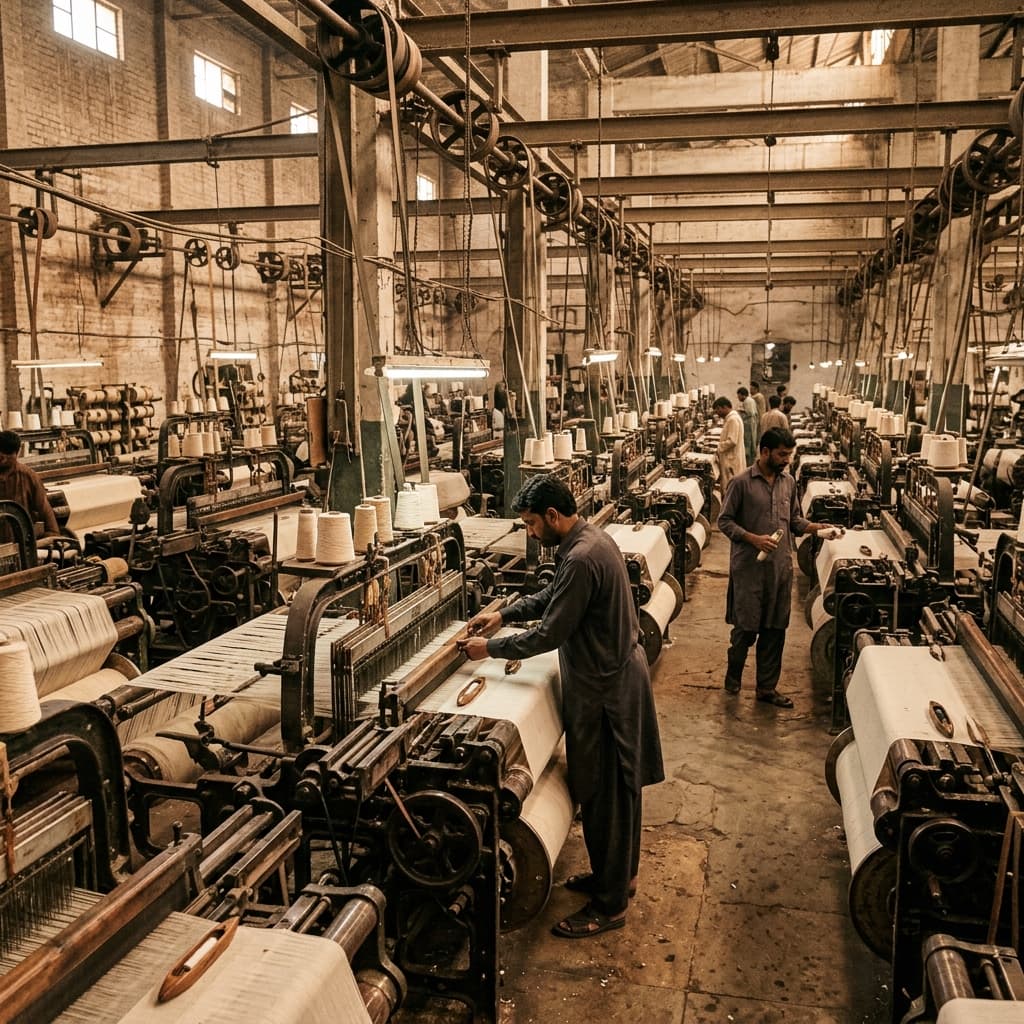
The territory GEPCO covers is unusual for a distribution company because so much of its load comes from small and medium exporters rather than large industrial plants. Sialkot's surgical instruments, sports goods, and leather factories run on thousands of workshop connections that collectively move far more energy than the few big consumers visible in most other networks. Gujranwala adds fans, cutlery, and ceramics, while Gujrat is known for furniture. This commercial and light-industrial character means GEPCO consumers are more exposed to tariff category questions than most: a connection registered as domestic but running a small workshop faces a real billing difference if reclassified. Hafizabad and Mandi Bahauddin bring rice processing, which concentrates demand into the autumn harvest season. Your GEPCO reference number lets you pull the official bill at any time without travelling to a sub-division office.
GEPCO reference numbers are 14 digits and follow the same PITC format used across PEPCO distribution companies. What is different about Gujranwala and Sialkot consumers is the reason they check their bill: the commercial and light-industrial base here means a tariff category question or a maximum demand charge is far more likely to explain an unexpected jump than a seasonal spike. Enter your reference number to pull the official GEPCO duplicate bill and check the category line alongside the units consumed.
🏭
Why the Sialkot and Gujranwala export belt shapes every GEPCO bill
GEPCO bills one of the most export-heavy small-industry clusters in Pakistan, and it shows in the load profile. Sialkot produces surgical instruments, sports goods and leather for international buyers. Gujranwala runs cutlery, ceramics, fans and food processing. Gujrat is known for fans, furniture and ceramics. These are mostly small and medium units on commercial or industrial tariffs rather than a handful of large mills, which means thousands of modest connections that run through the working day and taper in the evening. Hafizabad, Mandi Bahauddin and Narowal add rice processing and canal agriculture to the mix. For a GEPCO online bill check, the practical consequence is that commercial consumers here are far more exposed to tariff category changes than domestic users are.
🌡️
The GEPCO year runs on order books, not weather
Typical GEPCO demand through the yearRelative load by month for this territory, based on its climate and the way the local economy uses electricity. This is a general pattern, not metered consumption data, and your own bill depends on your usage.
Low
Moderate
High
Peak
Flatter than most territories. Industrial demand follows export order books rather than weather, so the summer rise is real but shallow.
Industrial demand across Gujranwala and Sialkot stays comparatively flat year round because production schedules, not weather, set the pace. Export orders can lift consumption ahead of shipping deadlines, which is why some commercial GEPCO bills peak in months that have nothing to do with temperature. Domestic consumers follow the usual Punjab pattern, with cooling load from May through September and a shorter heating season in December and January. Rice processing around Hafizabad concentrates demand after the autumn harvest, so a mill connection can show a sharp seasonal spike that a domestic meter never sees.
🗺️
How GEPCO is organised on the ground
GEPCO runs circles centred on Gujranwala, Sialkot, Gujrat and Hafizabad, with regional offices covering Mandi Bahauddin and Narowal. The company has historically reported lower distribution losses than most of its peers, which is partly a function of a compact, largely urban territory with short feeder runs. For consumers this generally means fewer prolonged outages than in the sprawling southern or western networks, though feeder work during peak industrial hours is still a live issue for small manufacturers.
Head office: Gujranwala. Areas billed: Gujranwala, Sialkot, Gujrat, Hafizabad, Mandi Bahauddin and Narowal, the industrial belt along the upper Chenab.
📌
What Sialkot, Gujranwala and Narowal consumers notice on their GEPCO bill
Small industrial units in Sialkot and Gujranwala should check whether maximum demand is billed on their connection, because that charge is driven by peak draw rather than total units.
A commercial GEPCO connection running on a domestic tariff, or the reverse, is a common cause of a bill that looks wrong. The category line is worth verifying before raising a dispute.
Rice mill and seasonal agro-processing connections around Hafizabad often sit idle for months, so a low bill followed by a very high one is usually the crop cycle rather than a meter fault.
⚡
GEPCO maximum demand and MDI charges for Sialkot and Gujranwala factories
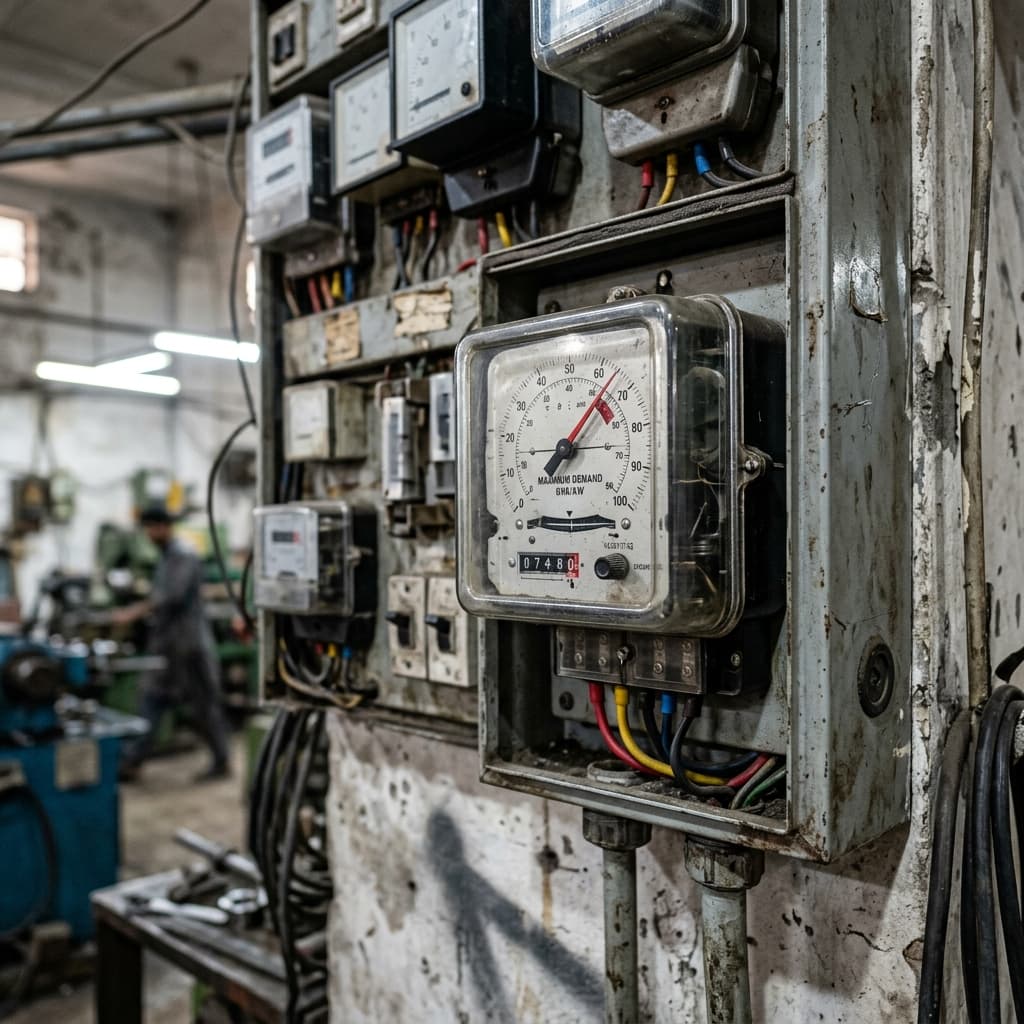
Small and medium industrial connections in Gujranwala and Sialkot are frequently billed on a tariff that includes a Maximum Demand Indicator (MDI) charge. This charge is based on the highest 30-minute power draw recorded during the billing period, not just total units consumed. A factory that runs all machinery simultaneously for even one burst can attract an MDI charge that exceeds the energy charge. Checking this line on the GEPCO duplicate bill is the first step in reducing it.
MDI is billed per kVA of maximum demand recorded, regardless of how briefly that peak occurred
Staggering machinery start-up times is the most effective way to reduce MDI charges
The MDI reading resets each billing month — last month's peak does not carry forward
📱
GEPCO prepaid meters and online account management in Gujranwala
GEPCO has expanded prepaid meter installations in residential areas of Gujranwala and Narowal. A prepaid GEPCO consumer does not receive a monthly bill. Instead, they top up credit via bank, JazzCash or Easypaisa using the meter number. The meter disconnects automatically when credit runs out and reconnects when topped up. Checking your remaining credit balance uses the same PITC reference number system as postpaid billing.
Prepaid meters eliminate late payment surcharges entirely
Top-up through JazzCash or Easypaisa using your GEPCO account number
If your meter number does not return a bill here, it may be registered as a prepaid connection
📚
GEPCO tariff categories, maximum demand and what drives your bill
GEPCO territory has one of the densest concentrations of small export manufacturers in Pakistan, which means commercial tariff, industrial tariff and MDI charges are a routine part of billing here in a way they are not for mostly-domestic networks. Check the category line on your bill before comparing it against a neighbour's.
GEPCO bill check — questions from the Gujranwala and Sialkot region
Does GEPCO cover Sialkot and Narowal for online bill check?
Yes. Sialkot, Narowal, Gujrat, Hafizabad and Mandi Bahauddin all bill through GEPCO alongside Gujranwala itself. Enter your reference number and the lookup routes to the same PITC record the company issues.
My Sialkot factory bill changed without any change in production. What should I check?
Look at the fuel price adjustment line and the tariff category first. For industrial connections, also check whether a maximum demand or power factor penalty appears, since those can move independently of the units you consumed.
Where do I find my GEPCO reference number?
Your GEPCO reference number is printed near the top of every monthly electricity bill, usually on the right side labelled "Reference No" or "Ref No". The number is between 10 and 14 digits and belongs to the meter, not to the billing month, so any older bill from the same connection carries the same reference number you need today.
Can I check my GEPCO bill using my CNIC?
No. The PITC billing system that Gujranwala Electric Power Company uses returns bills by reference number only. CNIC is not accepted as a lookup key. If you have lost your printed bill, your GEPCO subdivision office can confirm the reference number registered against your meter address.
Is the GEPCO duplicate bill shown here the same as the original?
Yes. Entering your reference number sends a query to the same PITC system that Gujranwala Electric Power Company issues bills through. The duplicate returned shows exactly the same line items, meter reading, units consumed, FPA, taxes and due date as the paper bill, with nothing recalculated or modified. It is accepted for bank submissions, address verification and payment purposes.
What happens if I pay my GEPCO bill after the due date?
A late payment surcharge applies to GEPCO bills paid after the printed due date. The surcharge rate is set by NEPRA and appears as a separate line on the following month's bill, along with the outstanding amount carried forward as arrears. Paying through JazzCash, Easypaisa, bank app, ATM, or bank counter before midnight on the due date avoids the surcharge.