Enter your 10–14 digit reference number to instantly view, download, or print your duplicate PESCO electricity bill. No login required.
Check PESCO Bill
Always confirm amounts and due dates with your official bill or DISCO channels.
🏢
PESCO electricity in Khyber Pakhtunkhwa — Peshawar plains to Chitral valleys
PESCO distributes power across Peshawar, Mardan, Swat, Dir, Chitral, Kohat, Bannu and Dera Ismail Khan in Khyber Pakhtunkhwa.
The PESCO territory stretches from Peshawar's commercial core through the tobacco and sugar fields of Mardan, the fruit orchards and tourism hotels of Swat, and then climbs into the mountain valleys of Chitral and Dir where settlements are small and feeders are long. This geographic range means consumer experience differs considerably within a single billing company. A Peshawar landlord checking a commercial meter faces the same slab structure as a Chitral household, but the seasonal pattern is almost reversed: the city peaks with summer cooling while the mountain districts peak with winter heating. Swat adds a tourism-driven commercial lift during the summer visitor season that has nothing to do with local household consumption. PESCO has historically reported higher distribution losses than the Punjab networks, partly because of the engineering challenge of long, steep feeder runs into difficult terrain.
PESCO bills consumers across a territory that ranges from the commercial heat of Peshawar to remote mountain valleys in Chitral and Dir where feeder runs are long and supply interruptions are more frequent than in Punjab. Your reference number is the same PITC 14-digit code regardless of which district you are in. Consumers in the mountain areas should note that if a bill arrives late or not at all, pulling the duplicate online is often faster than waiting for the paper copy.
🏭
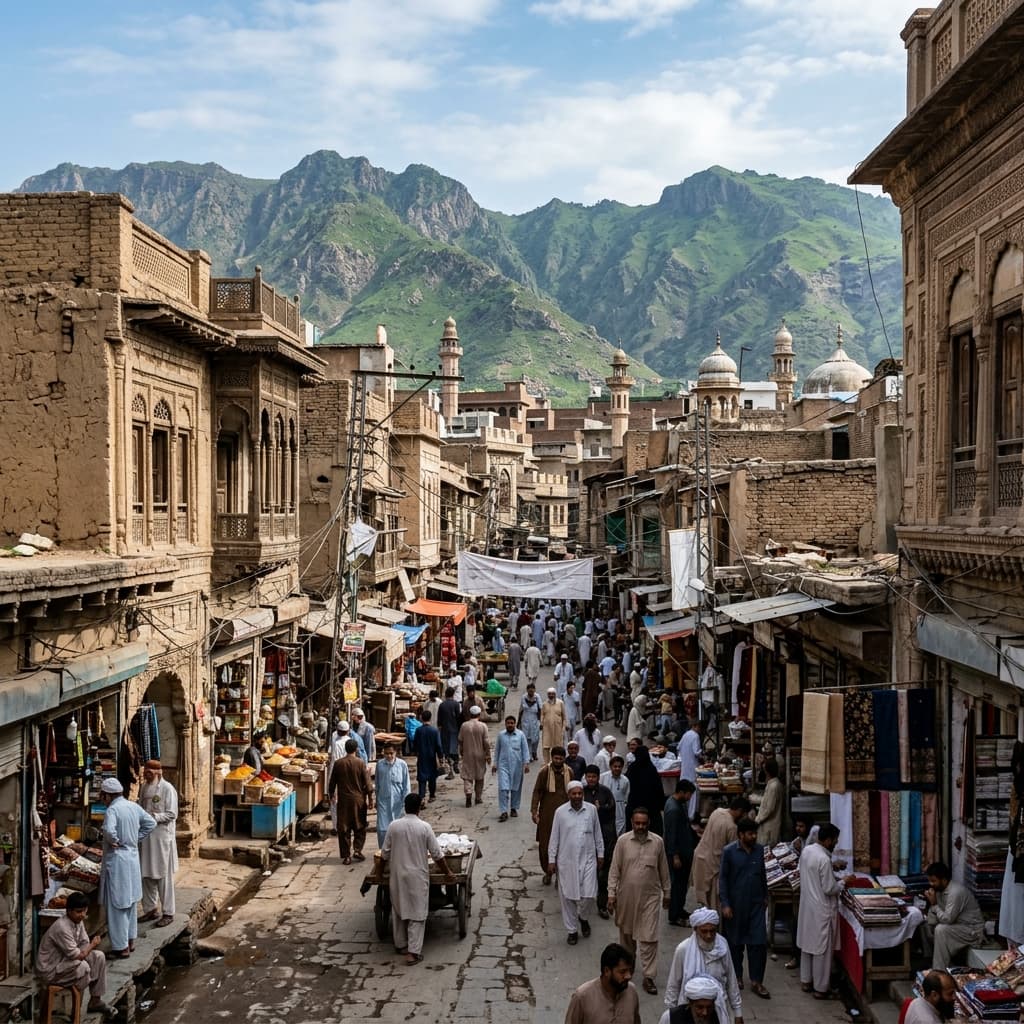
From Peshawar bazaars to Chitral valleys: the PESCO spread
PESCO covers a territory that ranges from the commercial density of Peshawar to remote mountain valleys in Chitral and Dir, and the load profile stretches accordingly. Peshawar itself carries trade, transport and a large domestic base. Mardan and Swabi are tobacco and sugar country. Nowshera has industrial estates. Swat combines horticulture with a tourism economy that lifts demand sharply in the summer visitor season, particularly around hotels and guest houses. Further north, Chitral and upper Dir are served by long, difficult feeders reaching small dispersed settlements. This is one of the most geographically varied networks in the country, and consumer experience differs a great deal between the plains and the valleys.
🌡️
One territory, two opposite seasons
Typical PESCO demand through the yearRelative load by month for this territory, based on its climate and the way the local economy uses electricity. This is a general pattern, not metered consumption data, and your own bill depends on your usage.
Low
Moderate
High
Peak
Plains districts drive the June to August peak. Mountain districts such as Chitral and upper Dir run the opposite pattern.
The Peshawar valley gets hot summers, and cooling load between May and August drives domestic bills in the plains districts. The mountain districts run the opposite way: summers are mild and the expensive season is winter, when heating demand climbs and hydel generation in the region typically falls with reduced river flow. Swat and the northern valleys also see a tourism-driven summer lift in commercial consumption that has nothing to do with local household use. If you compare a Peshawar bill against a Chitral bill for the same month, the seasonal logic driving each one is almost inverted.
🗺️
What shapes supply across the PESCO network
Circles are organised around Peshawar, Mardan, Swat, Kohat, Bannu and Dera Ismail Khan, with the northern districts served through extended networks. PESCO has historically carried some of the highest distribution losses in the country, a mix of technical loss on long rural feeders and recovery difficulty in parts of the territory. For consumers the practical result is that load management and outage duration vary substantially between urban Peshawar and outlying areas, and feeder-level scheduling is a more visible part of daily life here than in the Punjab networks.
Head office: Peshawar. Areas billed: Peshawar, Mardan, Swat, Charsadda, Nowshera, Kohat, Bannu, Dera Ismail Khan, Dir and Chitral across Khyber Pakhtunkhwa.
📌
What Peshawar, Swat and Dera Ismail Khan consumers notice on their PESCO bill
Hotel and guest house connections in Swat and the northern valleys are commercial tariff, and summer season bills reflect visitor occupancy rather than any tariff change.
In the mountain districts, winter is the expensive season. A December bill higher than a July bill is normal here and does not indicate a fault.
Long rural feeders make estimated readings more common in outlying subdivisions. Check the units consumed line against your own meter when a bill looks unusual.
🔦
PESCO load shedding in KPK — Peshawar city vs district feeders
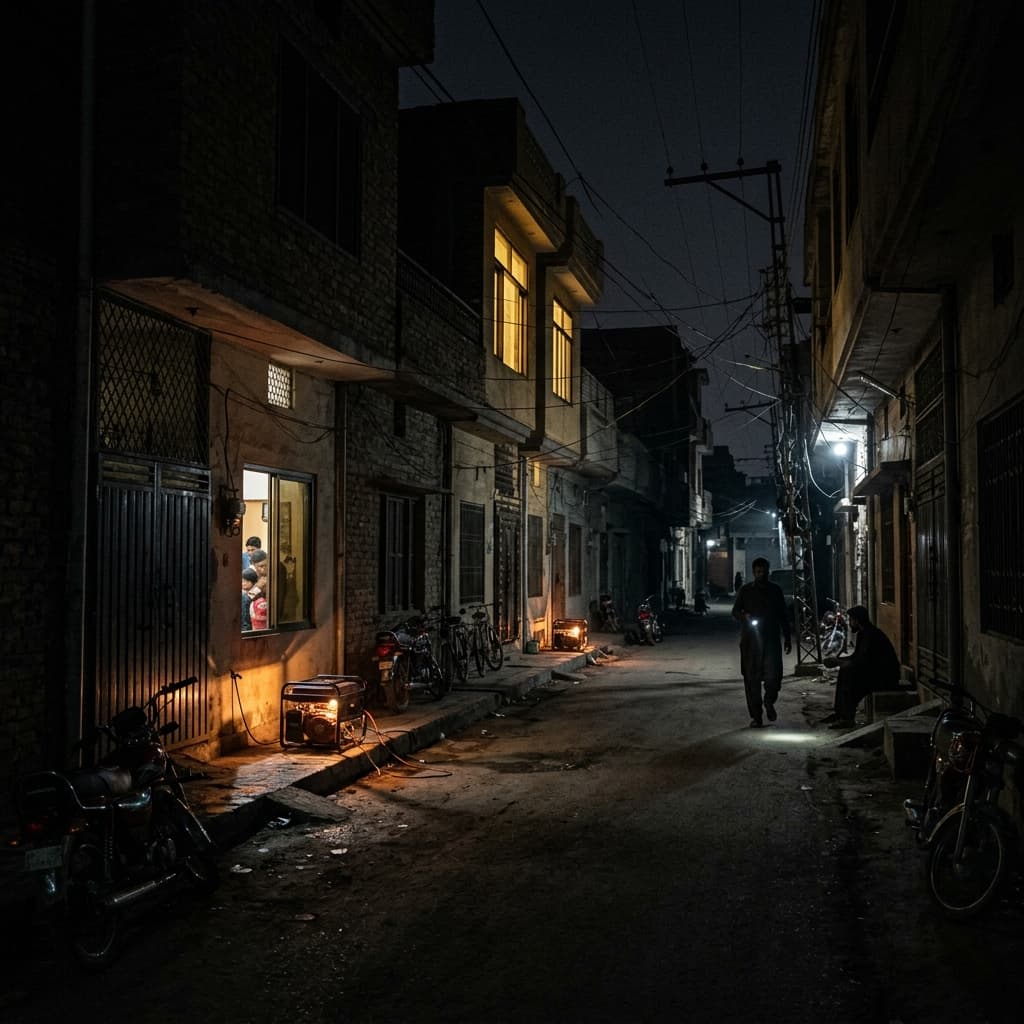
Load shedding duration in PESCO territory varies significantly between urban Peshawar and district feeders. Urban feeders in Peshawar, Mardan and Nowshera typically receive a shorter load-shedding schedule than rural and inter-district feeders. A consumer on a rural Swat or Kohat feeder can experience four to eight hours of daily outage while a Peshawar Cantonment consumer on a prioritised feeder sees significantly less. The PESCO bill check gives you the feeder and subdivision name, which determines your actual schedule.
Your PESCO subdivision name on the bill identifies your feeder and its load-shedding category
Industrial feeders in Nowshera and Hattar typically receive more reliable supply than rural residential feeders
PESCO publishes load-shedding schedules by subdivision on its official portal
⛰️
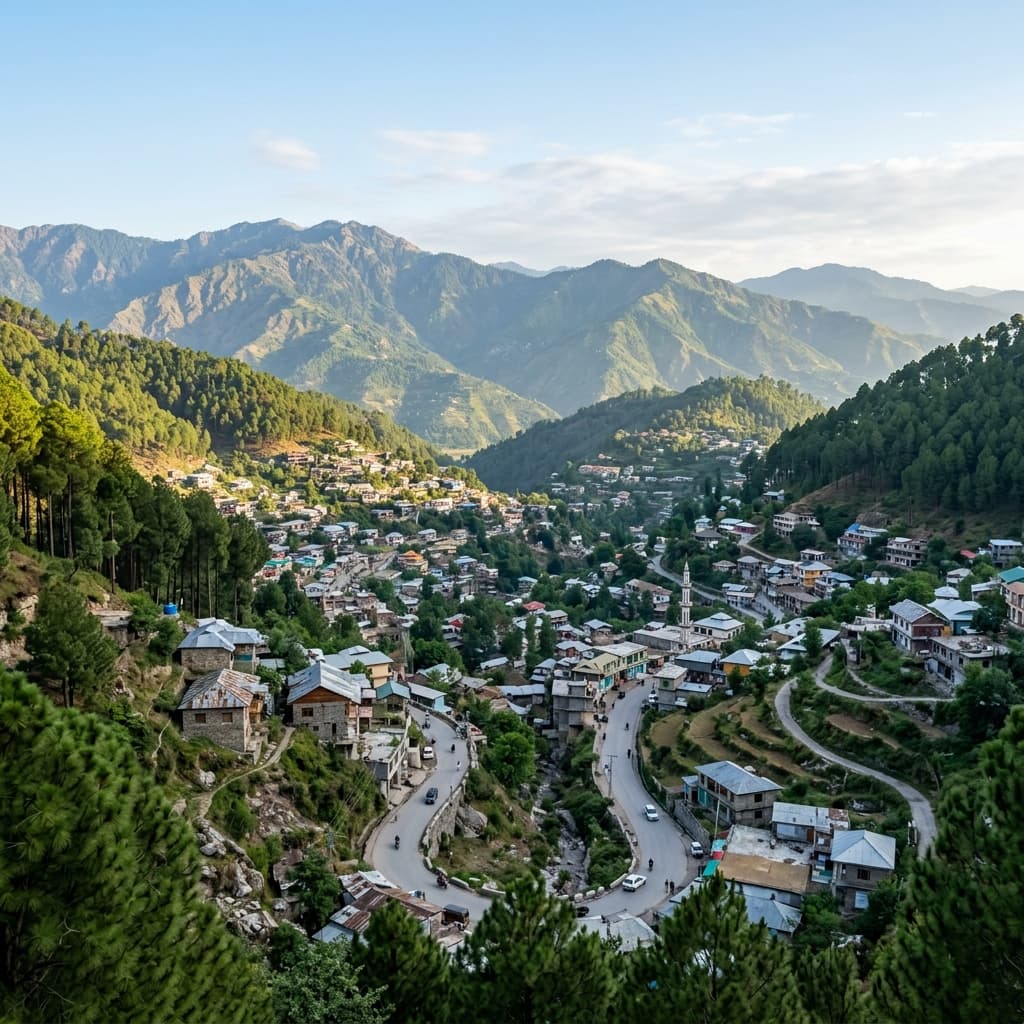
PESCO electricity billing in Swat, Chitral and Dir — mountain consumer reality
Mountain district consumers under PESCO face billing realities that plains consumers never encounter. Feeders into Chitral and upper Dir cover long distances over difficult terrain, so meter reading can be infrequent and estimated bills are more common than in urban Peshawar. Hotel and guest house connections in Swat run their peak demand in the summer tourist season and go near-zero in winter — the opposite of plains household patterns. Pulling the duplicate bill online is often faster than waiting for the paper copy in these areas.
Estimated readings in mountain subdivisions may cover two billing cycles — check the reading type on your bill
Tourist-area commercial connections see seasonal reversal: summer is peak, winter is near-zero
PESCO reference numbers work the same regardless of district — enter it here to get the official duplicate
📚
PESCO billing — plains heat in summer, mountain cold in winter, different bills for the same month
PESCO covers two opposite seasonal patterns within one company. Peshawar valley consumers peak in summer while Chitral and Dir consumers peak in winter. Before assuming a high bill is wrong, compare against the same month last year rather than the previous month or a relative in a different elevation zone.
PESCO bill check — questions from Khyber Pakhtunkhwa consumers
Does PESCO still cover the Hazara division?
No. Abbottabad, Mansehra, Haripur and the surrounding Hazara districts are billed by HAZECO, which operates as a separate distribution company. A PESCO lookup will not return a Hazara bill.
Why does my Chitral or Dir bill peak in winter rather than summer?
Mountain districts have mild summers and cold winters, so heating rather than cooling is the main seasonal load. Regional hydel output also tends to fall in winter as river flows drop.
Where do I find my PESCO reference number?
Your PESCO reference number is printed near the top of every monthly electricity bill, usually on the right side labelled "Reference No" or "Ref No". The number is between 10 and 14 digits and belongs to the meter, not to the billing month, so any older bill from the same connection carries the same reference number you need today.
Can I check my PESCO bill using my CNIC?
No. The PITC billing system that Peshawar Electric Supply Company uses returns bills by reference number only. CNIC is not accepted as a lookup key. If you have lost your printed bill, your PESCO subdivision office can confirm the reference number registered against your meter address.
Is the PESCO duplicate bill shown here the same as the original?
Yes. Entering your reference number sends a query to the same PITC system that Peshawar Electric Supply Company issues bills through. The duplicate returned shows exactly the same line items, meter reading, units consumed, FPA, taxes and due date as the paper bill, with nothing recalculated or modified. It is accepted for bank submissions, address verification and payment purposes.
What happens if I pay my PESCO bill after the due date?
A late payment surcharge applies to PESCO bills paid after the printed due date. The surcharge rate is set by NEPRA and appears as a separate line on the following month's bill, along with the outstanding amount carried forward as arrears. Paying through JazzCash, Easypaisa, bank app, ATM, or bank counter before midnight on the due date avoids the surcharge.