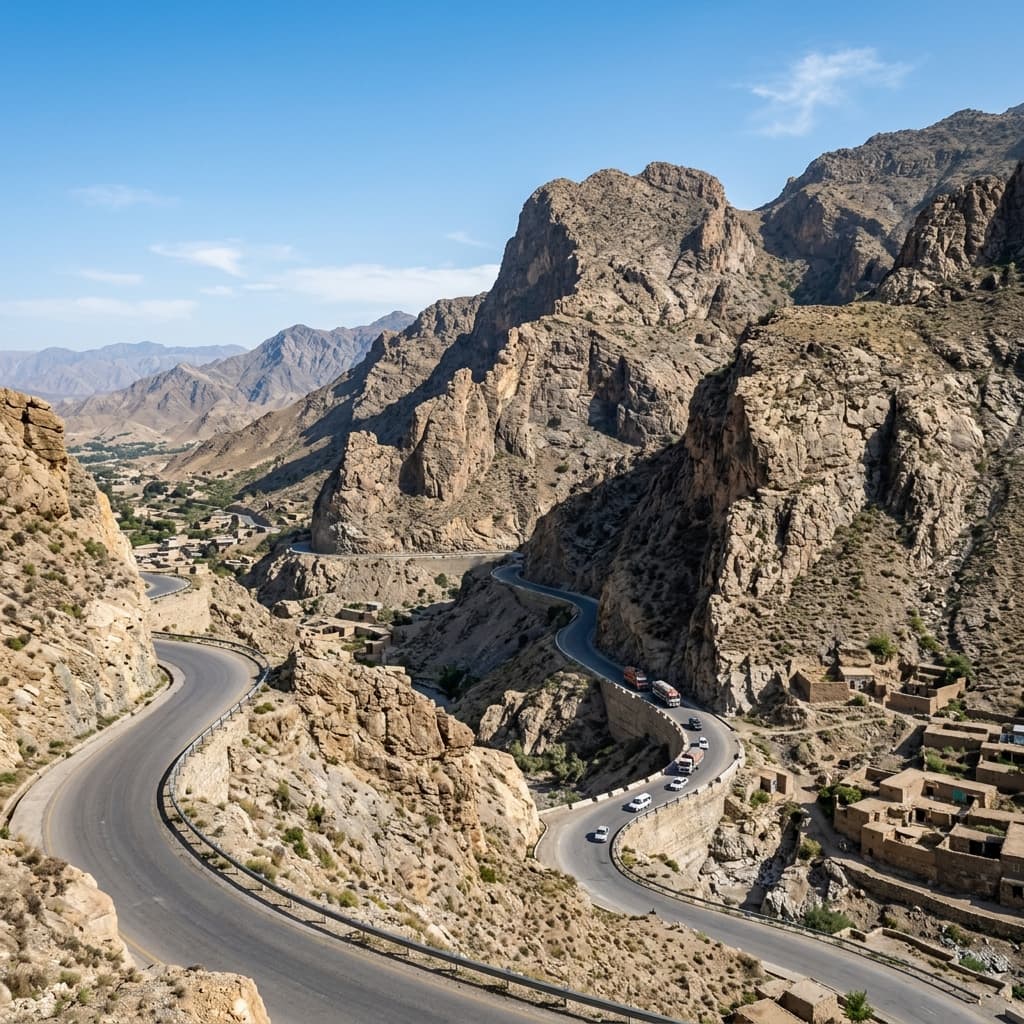
QESCO distributes electricity across Quetta, Gwadar, Sibi, Kalat, Chaman, Turbat, Zhob, and all of Balochistan.
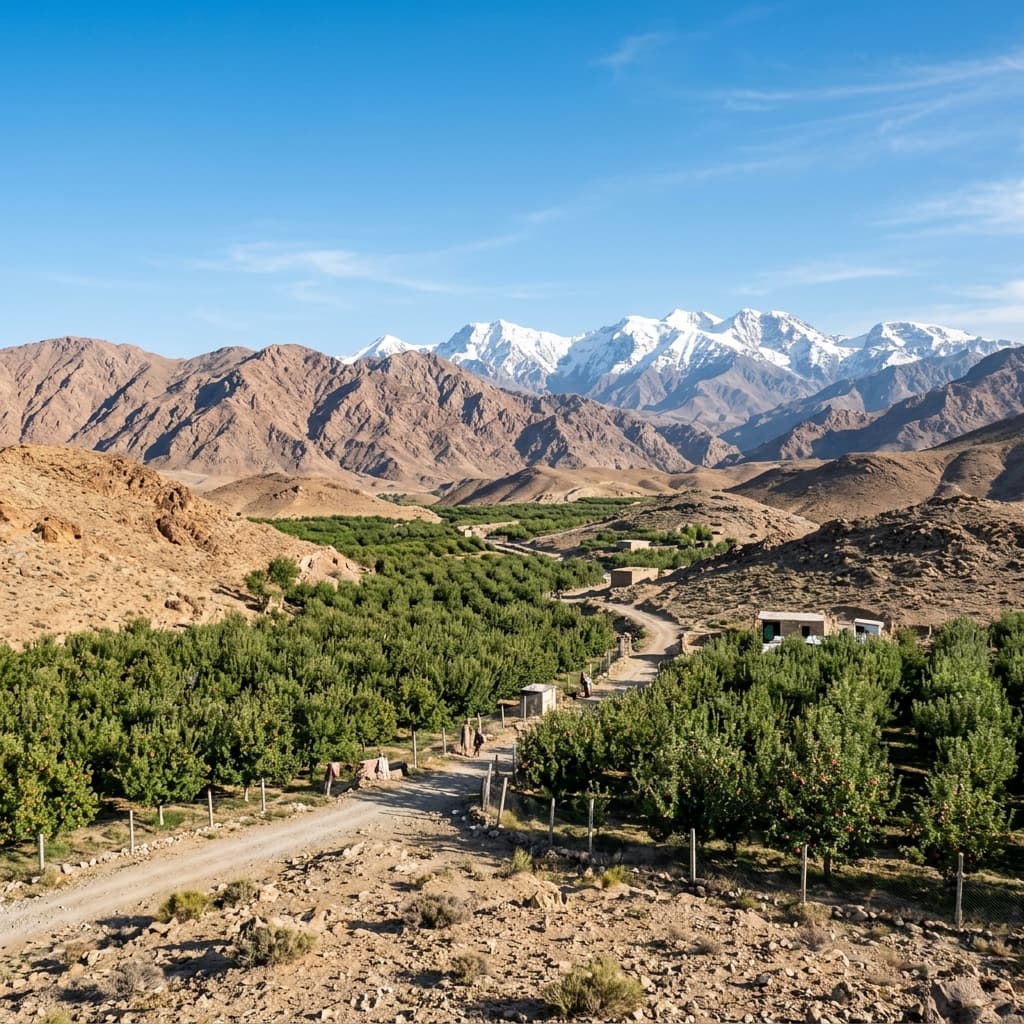
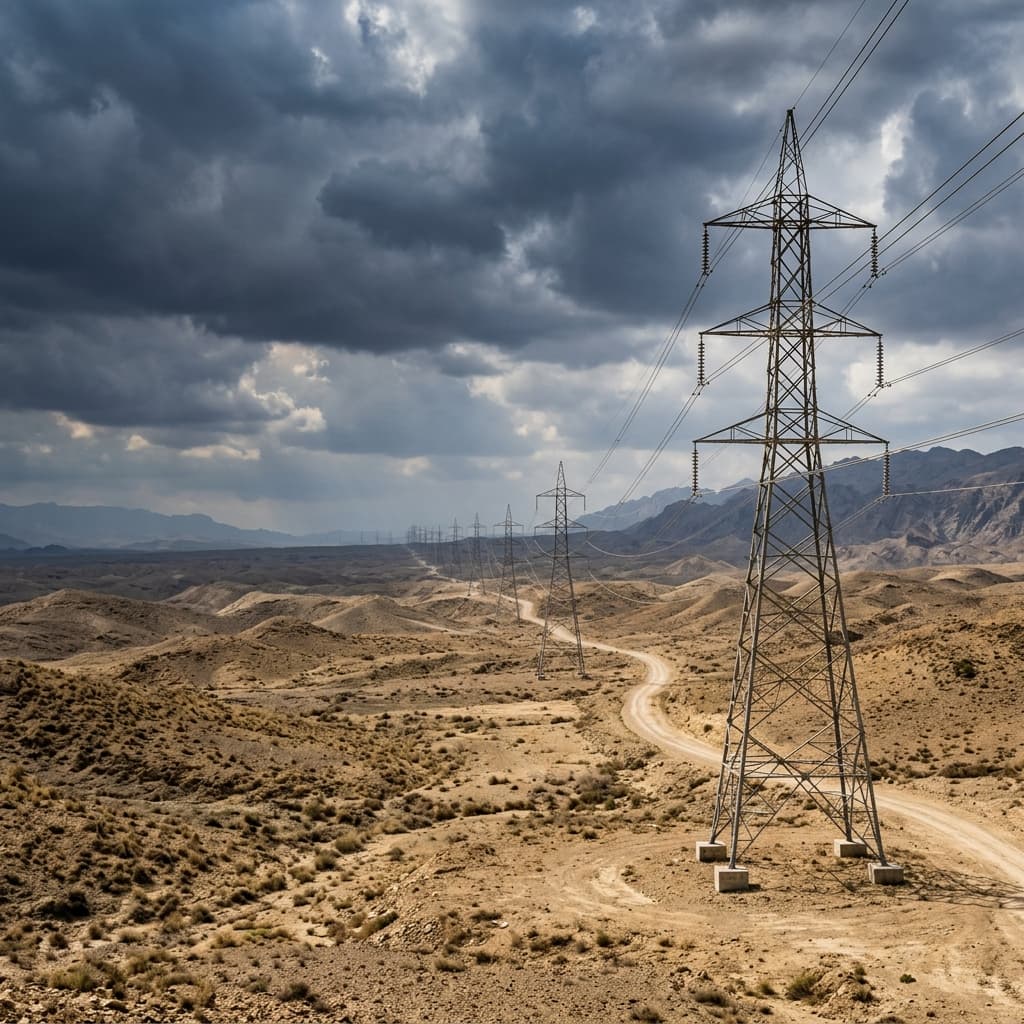
QESCO covers more territory by area than any other distribution company in the country, and the province it serves contains two climates that have almost nothing in common. Quetta sits at roughly 1,680 metres above sea level and gets genuine winters with snowfall, so electric heating from November through February is the primary seasonal load driver there. Sibi, Turbat and the lowland areas of the province are a different story: they record some of the highest summer temperatures in Pakistan, and cooling demand from May through September drives bills in those districts. Balochistan's orchard belt, particularly apple growing around Quetta, Kalat and Loralai, depends heavily on agricultural tube-well pumping. Long transmission distances across sparsely populated terrain mean technical losses are unavoidable on this network, and restoration after a fault can take considerably longer in remote districts than in compact urban systems.
QESCO covers the largest geographic territory of any distribution company in Pakistan, and that distance creates a billing reality that matters: paper bills reach some consumers late and meter reading in remote districts can slip, which occasionally produces an estimated bill. Pulling the duplicate online with your QESCO reference number gives you the official PITC record faster than the paper copy. Quetta consumers peak in winter from heating; Sibi and Turbat consumers peak in summer from cooling — both normal for this territory.