Enter your 10–14 digit reference number to instantly view, download, or print your duplicate HESCO electricity bill. No login required.
Check HESCO Bill
Always confirm amounts and due dates with your official bill or DISCO channels.
🏢
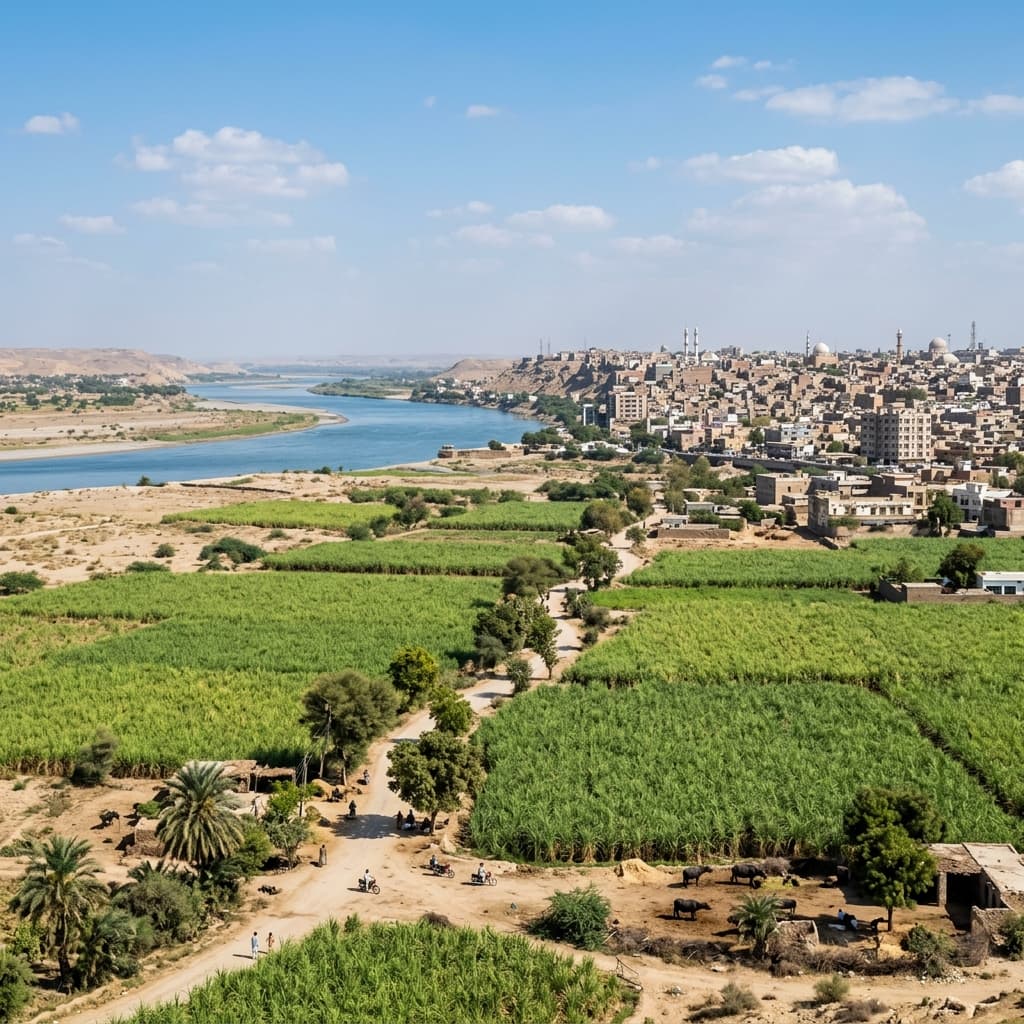
HESCO electricity in southern Sindh — Hyderabad, sugar mills and a six-month hot season
HESCO covers Hyderabad, Mirpurkhas, Nawabshah (Shaheed Benazirabad), Sanghar, Thatta, and large parts of interior Sindh.
Southern Sindh has a longer and more punishing hot season than Punjab, and HESCO bills reflect that. Cooling demand in Hyderabad, Sanghar and Shaheed Benazirabad climbs in April and does not settle until October, roughly six months of elevated consumption rather than the three-month summer that Punjab consumers experience. Coastal districts get some relief from sea breeze, but inland areas do not. Sugar mills concentrated around Mirpurkhas and Sanghar run the industrial side on a crushing season cycle, drawing heavily from November into March before going mostly quiet. Flooding along the Indus and its distributaries periodically disrupts reading routes, particularly in Thatta and Badin, which can produce estimated bills that correct themselves once access is restored. Your sub-division name on the bill identifies the office responsible for reading corrections.
HESCO's most distinctive billing feature is a cooling season that runs from April well into October, which is considerably longer than the three-month summer peak that Punjab consumers experience. A southern Sindh household that stays below a slab threshold for the six cool months can spend five consecutive billing months above it once temperatures rise. Enter your HESCO reference number to pull the official PITC duplicate and compare units consumed across the season rather than just month to month.
🏭
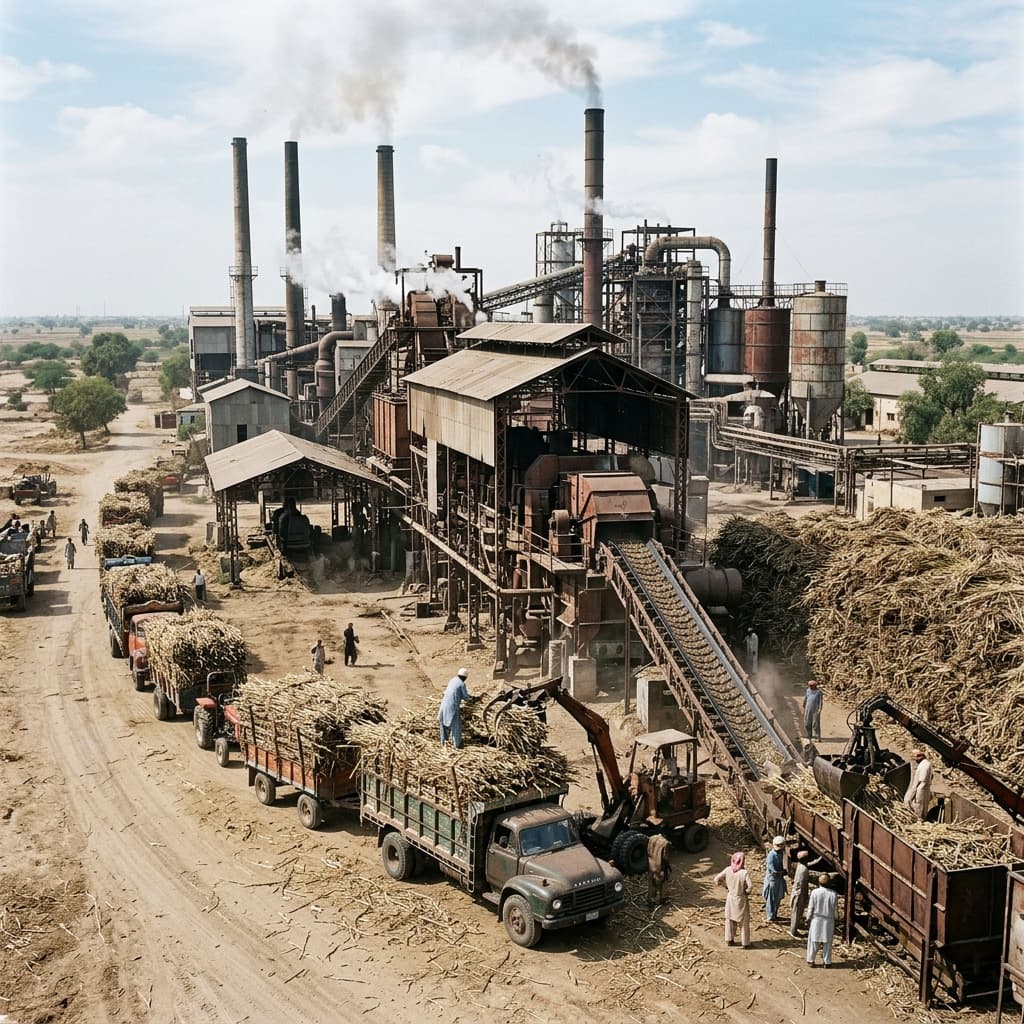
Sugar mills, bananas and canal-tail farming in the HESCO belt
HESCO bills a stretch of Sindh where agriculture and agro-processing set the rhythm. Sugar mills are the dominant industrial load, concentrated around Mirpurkhas, Sanghar and Shaheed Benazirabad, and they run on a crushing season rather than year round. Mirpurkhas is banana and mango country. Badin and Thatta reach down towards the coast, where fishing communities and canal-tail agriculture operate on thin margins. Hyderabad itself is a substantial city with commercial markets, universities and a dense domestic base. Tube-well irrigation runs throughout the territory, and because much of interior Sindh sits at the tail end of the canal system, groundwater pumping carries more of the irrigation burden than it does upstream.
🌡️
A cooling season that refuses to end
Typical HESCO demand through the yearRelative load by month for this territory, based on its climate and the way the local economy uses electricity. This is a general pattern, not metered consumption data, and your own bill depends on your usage.
Low
Moderate
High
Peak
The hot and humid season runs far longer than in Punjab. Cooling load stays high from April right through September.
Southern Sindh combines high temperature with high humidity, which makes the cooling season both long and punishing. Domestic consumption climbs from April and does not properly settle until October, a stretch considerably longer than the Punjab summer. Coastal districts get some relief from sea breeze, but inland Sanghar and Shaheed Benazirabad do not. Sugar mill connections then draw heavily through the crushing months from roughly November into March, so the industrial and domestic peaks land in different halves of the year. Tube-well demand rises whenever canal supply at the tail runs short.
🗺️
How HESCO is structured across southern Sindh
Circles cover Hyderabad, Mirpurkhas and Shaheed Benazirabad, with divisions extending into Badin, Thatta, Sanghar and Dadu. HESCO has faced persistent distribution loss and recovery challenges, and load management is a routine part of consumer experience across much of the territory. Coastal and canal-tail areas are exposed to flood and storm damage, which periodically disrupts meter reading cycles and produces estimated bills. The subdivision name printed on your statement identifies the office that can correct a reading.
Head office: Hyderabad. Areas billed: Hyderabad, Shaheed Benazirabad, Mirpurkhas, Badin, Thatta, Sanghar, Dadu and Tando Adam across southern Sindh.
📌
What Hyderabad, Mirpurkhas and Badin consumers need to watch on their HESCO bill
The cooling season here runs longer than in Punjab. Expect elevated units consumed from April through October rather than a short summer spike.
Sugar mill and agro-processing connections bill on a crushing season cycle, so long quiet periods followed by heavy consumption are normal.
After flooding or storm damage, reading routes can be disrupted. If a bill looks estimated, check the units consumed against your meter before paying.
🏭
HESCO sugar mill crushing season billing in Mirpurkhas and Sanghar
Sugar mills across Mirpurkhas, Sanghar and Shaheed Benazirabad are the dominant industrial load in the HESCO territory, and they operate on a crushing calendar that runs from November into March. During crushing, a mill draws power continuously and its HESCO bill can be many times higher than during the long off-season. These connections are on industrial tariff with MDI billing, and the sudden bill jump at the start of each crushing season is predictable rather than a metering error. HESCO consumers running agro-processing should compare bills against the same month of the previous crushing season.
Sugar mill connections bill on the large industrial tariff with separate MDI and energy charges
Crushing season spans roughly November to March — compare year-on-year, not month-on-month
Off-season bills may show minimum demand charges even when consumption is near zero
🌊
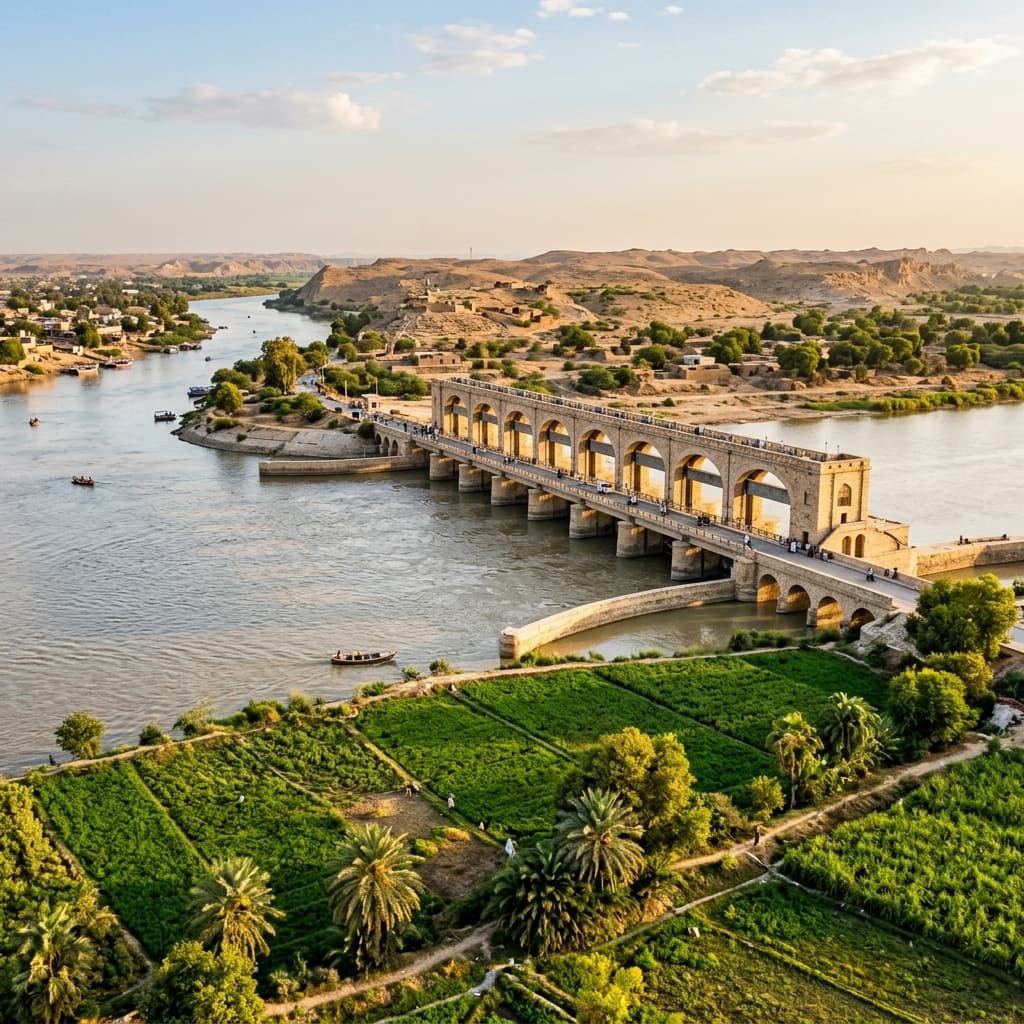
HESCO estimated bills after flooding in Badin, Thatta and interior Sindh
Southern Sindh is exposed to flooding during monsoon season, and flood damage periodically disrupts meter reading routes in Badin, Thatta, Dadu and parts of the Mirpurkhas district. When meter readers cannot access an area, HESCO issues estimated bills based on prior consumption. These show E in the reading type field. Estimated readings accumulate and are corrected in the first accessible billing cycle after the flood, which can produce a surprisingly large catch-up bill. Checking the duplicate online immediately after restoration lets you verify whether a correction has been posted.
Estimated bills show 'E' or 'Estimated' in the meter reading type column
A large bill after several estimated months usually reflects a catch-up reading, not new charges
File a reading correction request at the HESCO subdivision office if the correction looks wrong
📚
HESCO billing — six months of elevated cooling demand and sugar mill crushing season
Southern Sindh combines a long humid cooling season with a sugar milling industrial cycle that draws heavily from November into March, so HESCO sees elevated demand in both halves of the year from different consumer types. The guides below explain slab calculation, FPA, and how to pay without visiting a branch.
HESCO bill check — questions from southern Sindh consumers
Which areas does HESCO cover for online bill check?
HESCO covers Hyderabad, Shaheed Benazirabad, Mirpurkhas, Badin, Thatta, Sanghar, Dadu and Tando Adam. Meters further north around Sukkur and Larkana bill through SEPCO instead.
Why does my HESCO bill stay high for so many months?
Southern Sindh has a long hot and humid season. Cooling load commonly runs from April into October, so elevated consumption across six or seven months is normal rather than a sign of a meter problem.
Where do I find my HESCO reference number?
Your HESCO reference number is printed near the top of every monthly electricity bill, usually on the right side labelled "Reference No" or "Ref No". The number is between 10 and 14 digits and belongs to the meter, not to the billing month, so any older bill from the same connection carries the same reference number you need today.
Can I check my HESCO bill using my CNIC?
No. The PITC billing system that Hyderabad Electric Supply Company uses returns bills by reference number only. CNIC is not accepted as a lookup key. If you have lost your printed bill, your HESCO subdivision office can confirm the reference number registered against your meter address.
Is the HESCO duplicate bill shown here the same as the original?
Yes. Entering your reference number sends a query to the same PITC system that Hyderabad Electric Supply Company issues bills through. The duplicate returned shows exactly the same line items, meter reading, units consumed, FPA, taxes and due date as the paper bill, with nothing recalculated or modified. It is accepted for bank submissions, address verification and payment purposes.
What happens if I pay my HESCO bill after the due date?
A late payment surcharge applies to HESCO bills paid after the printed due date. The surcharge rate is set by NEPRA and appears as a separate line on the following month's bill, along with the outstanding amount carried forward as arrears. Paying through JazzCash, Easypaisa, bank app, ATM, or bank counter before midnight on the due date avoids the surcharge.