Pakistan's Independent Utility Portal
IESCO logo

Official PITC Portal

Islamabad Electric Supply Company

Enter your 10–14 digit reference number to instantly view, download, or print your duplicate IESCO electricity bill. No login required.

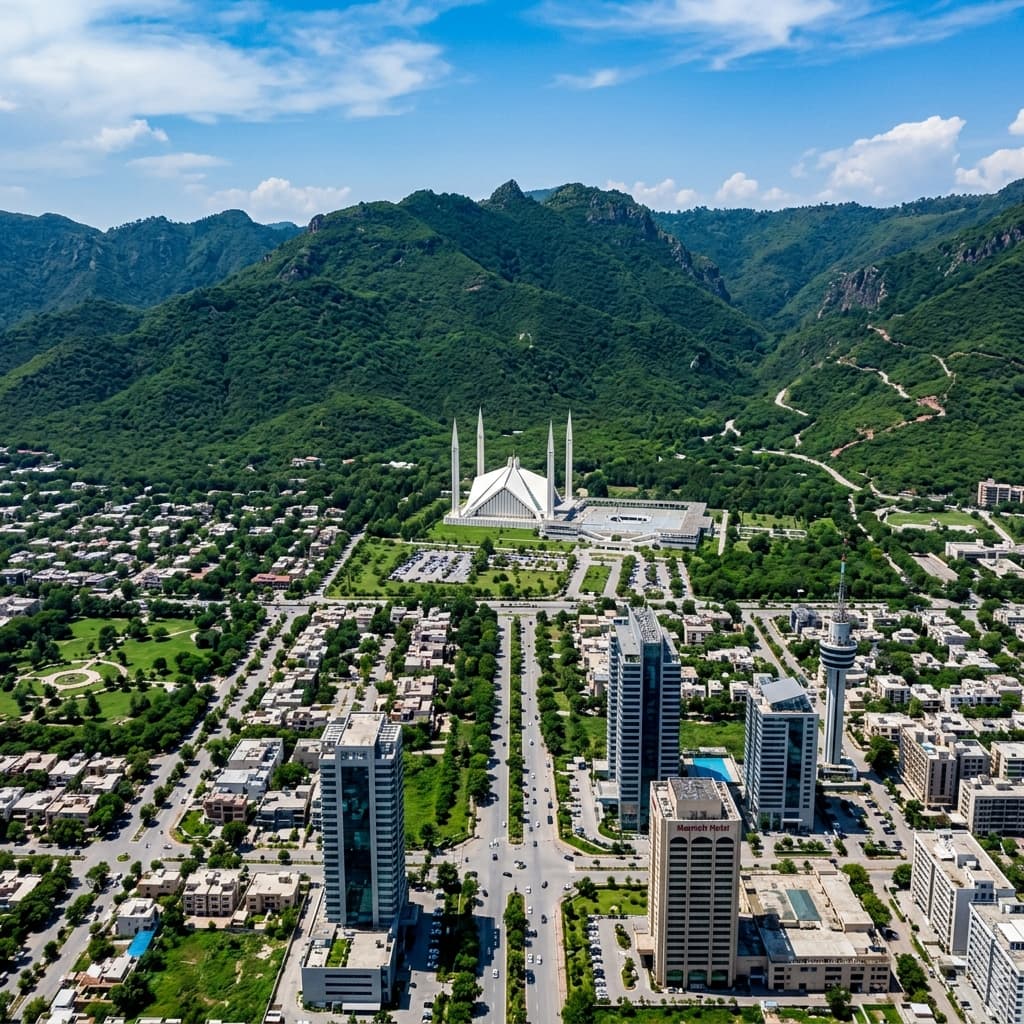
Islamabad Faisal Mosque and Margalla Hills — IESCO capital region
🏢

IESCO electricity in Islamabad and Rawalpindi — the capital region grid

IESCO covers Islamabad, Rawalpindi, Attock, Jhelum and Chakwal, the capital region and surrounding Potohar districts.

IESCO consumers in Islamabad and Rawalpindi are among the most frequent users of duplicate bill downloads in the country, not because they dispute more bills but because a clean PDF is routinely required for embassy visa submissions, banking address verification, and housing society compliance checks. The capital's government offices, diplomatic community, and large white-collar workforce generate a load that is heavily domestic and commercial rather than industrial, though Attock's refinery sector and Chakwal's cement industry add significant industrial draw outside the twin cities. The Potohar plateau is colder in winter than most of Punjab, so IESCO is one of the few networks where December and January heating bills can rival the summer cooling peak. New housing society connections in the expanded Islamabad zones often start with an estimated reading for the first one or two billing cycles.

IESCO consumers in Islamabad and Rawalpindi request duplicate bills more often than consumers in most other territories, not because of billing disputes but because a clean PITC-sourced electricity bill PDF is routinely required for visa and embassy documentation, housing society compliance, and bank address verification. Enter your 14-digit reference number to get the official duplicate instantly. The PDF returned is the same document your bank and housing society will accept — no visit to a customer service centre needed.

🏭

A capital-city load: what IESCO actually bills for

IESCO serves the most service-oriented territory of any distribution company in the country. Government offices, the diplomatic enclave, universities, hospitals and a large white-collar workforce give Islamabad and Rawalpindi a load profile weighted towards domestic and commercial consumption rather than heavy manufacturing. Housing schemes across both cities have expanded quickly, adding large numbers of new domestic connections with high appliance density. Outside the twin cities the picture changes: Attock has refining and industrial activity, Chakwal is cement country, and Jhelum mixes agriculture with small industry. That contrast between a capital-city load and a Potohar rural load sits inside a single billing network.

🌡️

Why IESCO consumers pay twice a year

Typical IESCO demand through the yearRelative load by month for this territory, based on its climate and the way the local economy uses electricity. This is a general pattern, not metered consumption data, and your own bill depends on your usage.
  • Low
  • Moderate
  • High
  • Peak
Jan: Peak demandJanFeb: High demandFebMar: Low demandMarApr: Moderate demandAprMay: High demandMayJun: Peak demandJunJul: Peak demandJulAug: Peak demandAugSep: Moderate demandSepOct: Low demandOctNov: Moderate demandNovDec: Peak demandDec

A genuine double peak. Potohar winters are cold enough that December and January heating rivals the summer cooling load.

The Potohar plateau gets genuinely cold winters, and IESCO is one of the few networks where winter heating load is a serious bill driver rather than an afterthought. Electric heaters, geysers and blowers push December and January consumption up noticeably, particularly in Murree-adjacent and higher-elevation parts of the territory. Summer cooling then produces a second and usually larger peak from May to August. The result is a double-humped year with two expensive seasons rather than one, and genuinely cheap bills only in the short spring and autumn windows.

🗺️

How the IESCO network is laid out

IESCO operates circles covering Islamabad, Rawalpindi city and cantonment areas, and the outlying Attock, Chakwal and Jhelum districts. Because the capital hosts federal installations and diplomatic missions, parts of the network carry supply priority that other territories do not, which consumers sometimes notice as shorter outage durations in central sectors. New housing society connections are a recurring source of billing questions, since meters energised mid-cycle often generate a first bill covering an unusual number of days.

Head office: Islamabad. Areas billed: Islamabad, Rawalpindi, Attock, Chakwal and Jhelum, covering the federal capital and the surrounding Potohar districts.

📌

What Islamabad, Rawalpindi and Attock consumers need to know about their IESCO bill

  • Islamabad and Rawalpindi consumers are frequently asked for a duplicate electricity bill as proof of address for visa, embassy and banking paperwork, so keep a PDF saved rather than waiting for the printed copy.
  • Winter bills in higher parts of the territory can rival summer bills. If your December units jump, heating load rather than a meter fault is the usual explanation.
  • A first bill on a newly energised housing society meter may cover more or fewer days than a normal cycle. Check the billing period dates before assuming the amount is wrong.
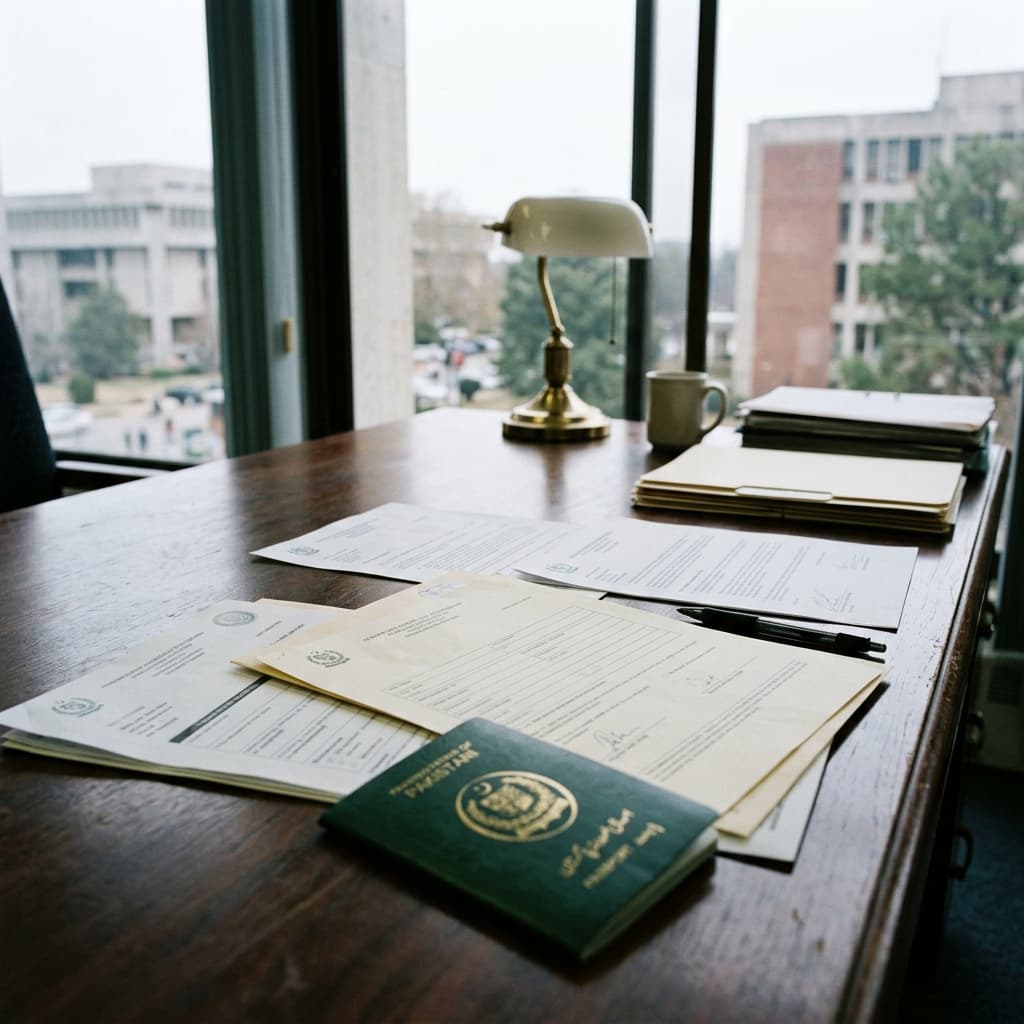
Visa application documents in Islamabad where IESCO bills serve as address verification
📄

Using an IESCO duplicate bill as address proof for visas and banks in Islamabad

Islamabad and Rawalpindi consumers request duplicate IESCO bills more frequently than almost any other DISCO's consumers. The reason is practical: the twin cities host the diplomatic enclave, major embassies, and head offices of every major bank. An electricity bill is the standard address verification document for visa applications, embassy paperwork, banking KYC, and housing society compliance. The PITC-sourced PDF from this checker is the same document IESCO customer service centres issue.

  • UK, US and Schengen visa applications all accept an IESCO bill within 3 months as address proof
  • Bank KYC requires the bill to show your full name and meter address — verify both before downloading
  • The printed name on the bill must match the applicant's CNIC for embassy documentation
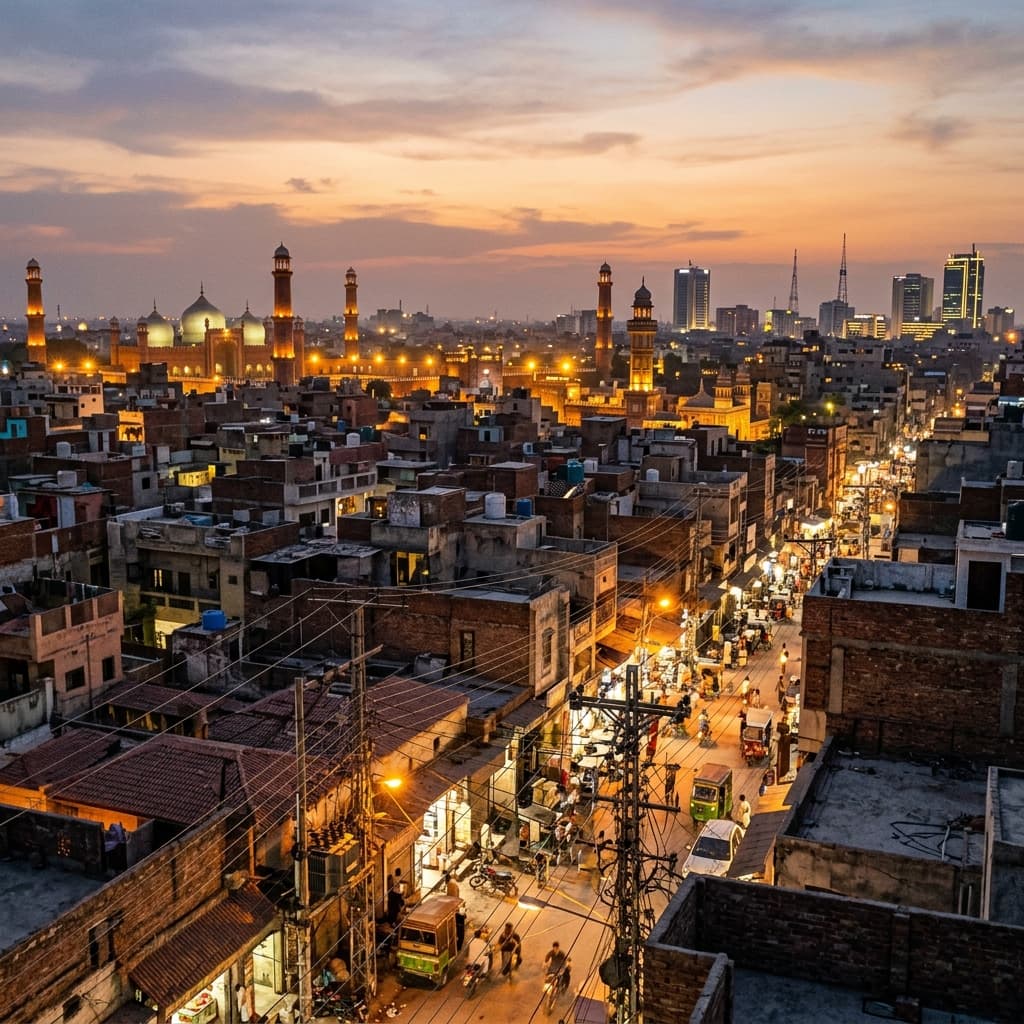
New housing scheme in Islamabad sector where IESCO provides fresh electricity connections
🏗️

IESCO new connections in Islamabad housing schemes — what new residents should know

New housing schemes in Islamabad's sectors and in Rawalpindi cantonment zones frequently have meters energised mid-billing cycle, which means the first bill covers fewer than 30 days. New residents often see this partial-month bill and assume an error. The units consumed may also be estimated while the meter reading route is established. Checking the billing period dates on the duplicate bill confirms whether you are looking at a partial cycle.

  • First bills in new schemes often cover 10 to 20 days rather than a full month
  • Estimated readings show E or Est in the reading type field on the bill
  • A corrected reading in the following month may show a credit or additional charge adjustment
📚

IESCO billing — the double peak of a capital-region winter and summer load

IESCO is unusual among distribution companies in having two genuine bill peaks per year. The Potohar plateau gets cold winters, so heating in December and January can rival the summer cooling load in June and July. Consumers frequently misread a high winter bill as a meter fault rather than normal seasonal variation.

Full explanations for each charge type: reading your bill line by line, what FPA is and why it changes every month, current tariff and slab rates, paying by JazzCash, Easypaisa or bank app, and raising a IESCO complaint.

IESCO Help

IESCO bill check — questions from Islamabad and Rawalpindi consumers

Does IESCO bill both Islamabad and Rawalpindi?

Yes. IESCO covers Islamabad, Rawalpindi, Attock, Chakwal and Jhelum. A single reference number lookup works the same way across all five districts.

Why is my IESCO winter bill as high as my summer bill?

The Potohar region has cold winters, and electric heating is a major load. Geysers and room heaters running through December and January can push units consumed into the same slab band that air conditioning reaches in summer.

Where do I find my IESCO reference number?

Your IESCO reference number is printed near the top of every monthly electricity bill, usually on the right side labelled "Reference No" or "Ref No". The number is between 10 and 14 digits and belongs to the meter, not to the billing month, so any older bill from the same connection carries the same reference number you need today.

Can I check my IESCO bill using my CNIC?

No. The PITC billing system that Islamabad Electric Supply Company uses returns bills by reference number only. CNIC is not accepted as a lookup key. If you have lost your printed bill, your IESCO subdivision office can confirm the reference number registered against your meter address.

Is the IESCO duplicate bill shown here the same as the original?

Yes. Entering your reference number sends a query to the same PITC system that Islamabad Electric Supply Company issues bills through. The duplicate returned shows exactly the same line items, meter reading, units consumed, FPA, taxes and due date as the paper bill, with nothing recalculated or modified. It is accepted for bank submissions, address verification and payment purposes.

What happens if I pay my IESCO bill after the due date?

A late payment surcharge applies to IESCO bills paid after the printed due date. The surcharge rate is set by NEPRA and appears as a separate line on the following month's bill, along with the outstanding amount carried forward as arrears. Paying through JazzCash, Easypaisa, bank app, ATM, or bank counter before midnight on the due date avoids the surcharge.

Check another company's electricity bill

Jump to any other DISCO or return to the home bill checker.