Pakistan's Independent Utility Portal
FESCO logo

Official PITC Portal

Faisalabad Electric Supply Company

Enter your 10–14 digit reference number to instantly view, download, or print your duplicate FESCO electricity bill. No login required.

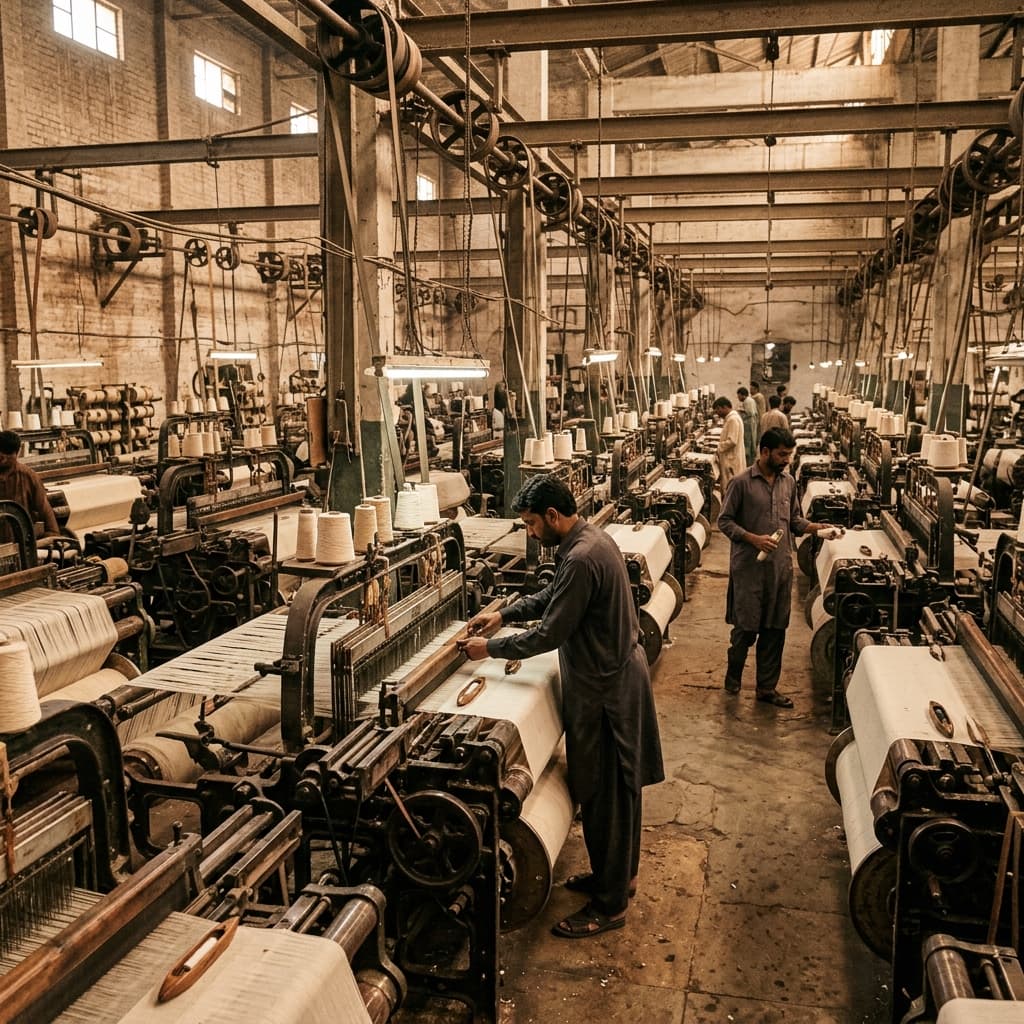
Textile weaving machinery — FESCO's dominant industrial load in Faisalabad
🏢

FESCO electricity in Faisalabad — textile looms, tube-wells and domestic meters

FESCO serves Faisalabad, Jhang, Sargodha, Mianwali, Khushab, Bhakkar, Toba Tek Singh, and Chiniot across central Punjab.

Faisalabad is Pakistan's textile capital, and that single fact defines the FESCO network. Spinning mills, power looms, and dyeing units draw continuously, and because most of them are small operations rather than integrated factories, the industrial base is spread across residential streets rather than separated into estates. This creates a genuinely mixed load on most urban feeders: a domestic household, a corner shop, and a power loom may sit on the same line. Consumers running workshops should check the tariff category printed on their bill carefully, because mixing domestic and commercial use on a single meter is the most common source of billing disputes in this territory. Sargodha's citrus belt and the Jhang and Bhakkar tube-well farms add a strong agricultural component that follows the crop calendar rather than city working hours.

Faisalabad consumers checking a FESCO bill often find the biggest surprise is the tariff category, not the unit count. Power loom workshops and residential connections sit on the same streets, and a meter registered under the wrong category is the most common source of a bill dispute in this territory. Use your 14-digit FESCO reference number to open the official PITC duplicate and check both the category line and the units consumed before contacting the subdivision.
🏭

Textile looms, citrus and tube-wells: the FESCO load mix

Faisalabad is the centre of Pakistan's textile industry, and textile load defines this network. Spinning mills, power looms and processing units draw heavily and continuously, and a large share of them are small workshop operations rather than big plants. That produces an unusual load profile: a very large number of modest industrial connections layered over an ordinary domestic base. Beyond the city, Sargodha is citrus country and its kinnow orchards depend on tube-well irrigation. Chiniot supports a well-known furniture trade. Jhang, Khushab, Mianwali and Bhakkar bring canal and tube-well agriculture. A FESCO bill check therefore covers everything from a single power loom to a farm pump to a city apartment.

🌡️

Irrigation and heat together set the FESCO peak

Typical FESCO demand through the yearRelative load by month for this territory, based on its climate and the way the local economy uses electricity. This is a general pattern, not metered consumption data, and your own bill depends on your usage.
  • Low
  • Moderate
  • High
  • Peak
Jan: Moderate demandJanFeb: Moderate demandFebMar: Moderate demandMarApr: High demandAprMay: Peak demandMayJun: Peak demandJunJul: High demandJulAug: High demandAugSep: Moderate demandSepOct: Moderate demandOctNov: Moderate demandNovDec: Moderate demandDec

The May and June peak combines household cooling with tube-well pumping, which runs hardest before the monsoon when canal water is short.

Agricultural tube-well demand across Sargodha, Jhang and Bhakkar rises sharply through the dry pre-monsoon months when canal supply tightens and growers pump more groundwater. That peak lands roughly between April and June and again during the wheat sowing period. Textile consumption in Faisalabad is driven by order books rather than the calendar, though summer heat adds ventilation and cooling load inside mills. Domestic consumers see the standard central Punjab pattern, with the hottest bills arriving for June and July usage and the mildest for February and October.

🗺️

Where your FESCO bill is issued

Circles are organised around Faisalabad, Sargodha and Jhang, with regional offices covering Toba Tek Singh, Mianwali and the surrounding districts. FESCO has generally ranked among the stronger distribution companies on recovery and loss figures, helped by a relatively compact and heavily metered industrial base. Because so many small industrial connections sit inside residential areas of Faisalabad, feeder loading is uneven, and localised voltage complaints are a more common consumer issue here than in networks with cleanly separated industrial estates.

Head office: Faisalabad. Areas billed: Faisalabad, Sargodha, Jhang, Toba Tek Singh, Chiniot, Khushab, Mianwali and Bhakkar across central Punjab.

📌

What Faisalabad, Sargodha and Jhang consumers find on their FESCO bill

  • Power loom and small mill connections are frequently billed on an industrial tariff with different slab logic from domestic meters, so do not compare the two directly.
  • Sargodha and Bhakkar tube-well consumers should track units consumed across the irrigation season rather than month by month, because pumping hours vary far more than household use.
  • If you run a workshop from a residential address, confirm which tariff category the meter is registered under. Mixed use is the most common source of billing disputes in this territory.
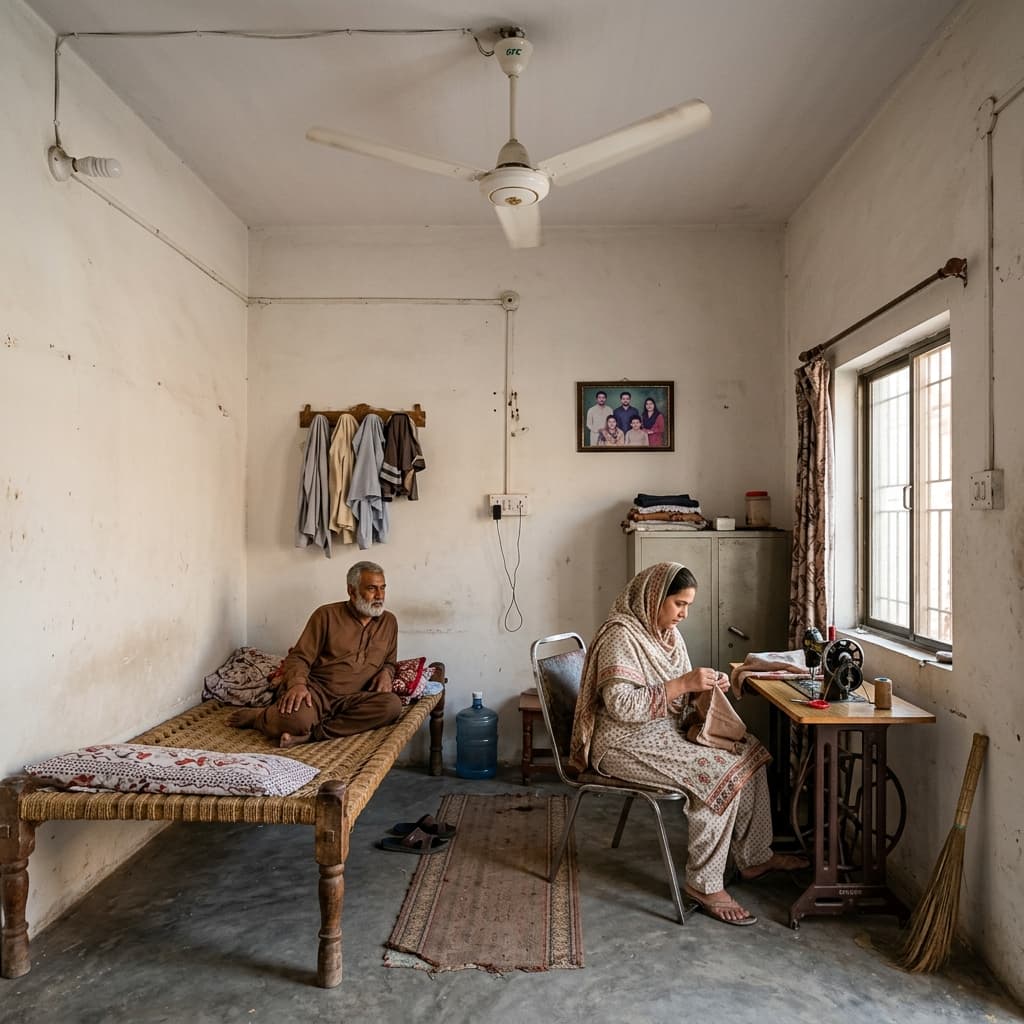
Simple Pakistani home with ceiling fan representing a FESCO protected category consumer
🏠

FESCO protected consumer category — who qualifies and what it means for your bill

FESCO domestic consumers using up to 100 units per month fall into the protected category and pay a heavily subsidised per-unit rate. This rate is far below what unprotected consumers pay, and the difference is significant enough that households near the 100-unit boundary have a strong financial incentive to monitor consumption carefully each month. If your units consumed cross 100 in any month, the full unprotected rate applies to all units that month, not just the excess.

  • Protected rate applies only to months where total consumption stays at or below 100 units
  • One month above 100 units does not affect your protected status in the following month
  • Check the category line on your FESCO bill to confirm your tariff classification is correct
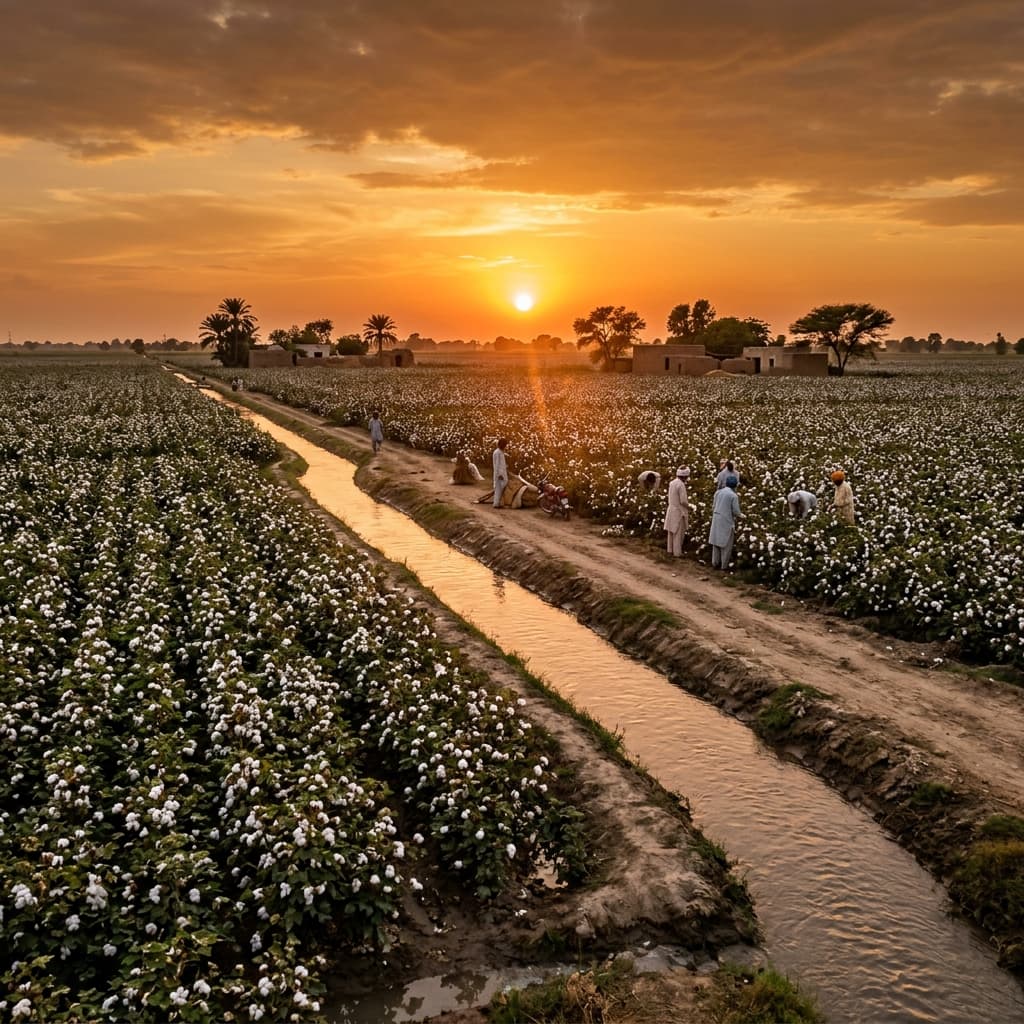
Sargodha citrus fields irrigated by FESCO-connected tube-wells
💧

FESCO agricultural tube-well tariff in Sargodha and Jhang

Agricultural tube-well connections in Sargodha, Jhang and Bhakkar bill on a separate tariff category from domestic meters, with a per-unit rate set to reflect the economic character of canal-fed farming. These connections typically show very low consumption for several months and then large peaks when groundwater pumping replaces reduced canal supply. Comparing a tube-well bill against a domestic bill makes no sense — both the slab structure and seasonal logic are completely different.

  • Tube-well tariff is listed as AP (Agricultural Pumping) on the FESCO bill
  • Per-unit rate for AP connections is different from domestic, commercial and industrial rates
  • Seasonal peaks during dry pre-monsoon months are normal for AP connections, not meter faults
📚

FESCO tariff categories, agricultural tube-wells and what moves your bill

Faisalabad's mixed load — textile workshops, canal-fed tube-wells and urban domestic meters — means the tariff category on your connection matters as much as the units consumed. Sargodha citrus growers and Jhang tube-well connections have a completely different billing pattern from a city apartment. The guides below cover each charge type.

Full explanations for each charge type: reading your bill line by line, what FPA is and why it changes every month, current tariff and slab rates, paying by JazzCash, Easypaisa or bank app, and raising a FESCO complaint.

FESCO Help

FESCO bill check — questions from Faisalabad and central Punjab consumers

Which districts can I use for a FESCO online bill check?

Faisalabad, Sargodha, Jhang, Toba Tek Singh, Chiniot, Khushab, Mianwali and Bhakkar are all served by FESCO. Meters in Multan or Sahiwal belong to MEPCO instead.

Why do FESCO agricultural bills swing so much between months?

Tube-well pumping is seasonal. In dry months before the monsoon, growers run pumps far longer to make up for reduced canal water, so units consumed can multiply without any change in tariff.

Where do I find my FESCO reference number?

Your FESCO reference number is printed near the top of every monthly electricity bill, usually on the right side labelled "Reference No" or "Ref No". The number is between 10 and 14 digits and belongs to the meter, not to the billing month, so any older bill from the same connection carries the same reference number you need today.

Can I check my FESCO bill using my CNIC?

No. The PITC billing system that Faisalabad Electric Supply Company uses returns bills by reference number only. CNIC is not accepted as a lookup key. If you have lost your printed bill, your FESCO subdivision office can confirm the reference number registered against your meter address.

Is the FESCO duplicate bill shown here the same as the original?

Yes. Entering your reference number sends a query to the same PITC system that Faisalabad Electric Supply Company issues bills through. The duplicate returned shows exactly the same line items, meter reading, units consumed, FPA, taxes and due date as the paper bill, with nothing recalculated or modified. It is accepted for bank submissions, address verification and payment purposes.

What happens if I pay my FESCO bill after the due date?

A late payment surcharge applies to FESCO bills paid after the printed due date. The surcharge rate is set by NEPRA and appears as a separate line on the following month's bill, along with the outstanding amount carried forward as arrears. Paying through JazzCash, Easypaisa, bank app, ATM, or bank counter before midnight on the due date avoids the surcharge.

Check another company's electricity bill

Jump to any other DISCO or return to the home bill checker.