Pakistan's Independent Utility Portal
SEPCO logo

Official PITC Portal

Sukkur Electric Power Company

Enter your 10–14 digit reference number to instantly view, download, or print your duplicate SEPCO electricity bill. No login required.

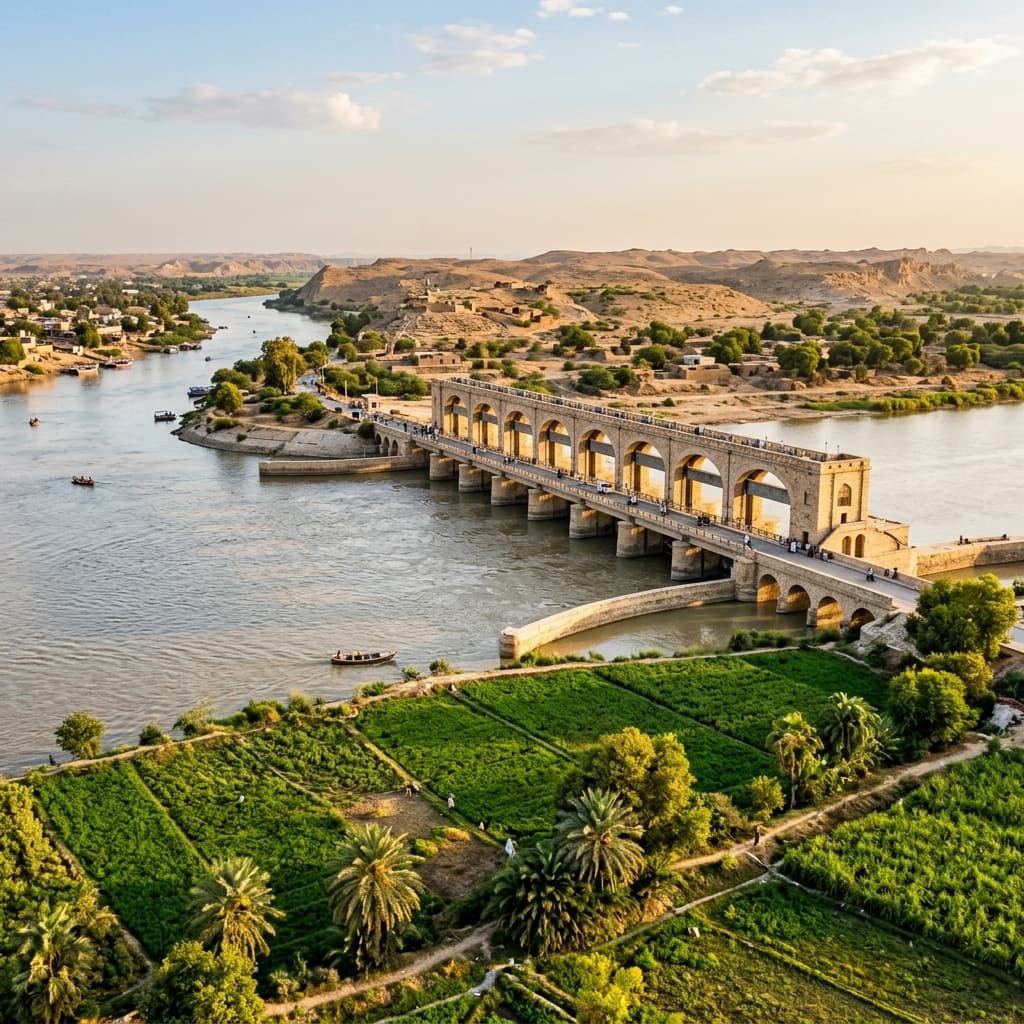
Sukkur Barrage and Indus river — SEPCO electricity distribution in northern Sindh
🏢

SEPCO electricity in northern Sindh — Sukkur, Jacobabad and the Indus canal belt

SEPCO serves Sukkur, Larkana, Shikarpur, Jacobabad, Dadu, Khairpur, and northern and interior Sindh load centers.

Jacobabad, which falls within SEPCO's service area, regularly records summer temperatures that rank among the highest measured anywhere in the world, and the practical consequence for local consumers is that cooling between May and August is a matter of safety rather than comfort. Domestic bills in the Jacobabad district can jump several slab bands during those months without any change in appliance use, simply because fans and coolers run far longer hours. The rest of the SEPCO territory along the Indus around Sukkur and Larkana mixes rice cultivation, date processing in Khairpur, and sugar cane. Rice husking demand concentrates after the autumn harvest, so an agro-processing connection can show near-zero consumption for months followed by a sharp peak. SEPCO has experienced persistent distribution loss challenges, and the company manages load across long rural feeders that are exposed to both flood damage and extreme heat stress.

Jacobabad, which sits inside the SEPCO territory, regularly records summer temperatures among the highest in the world. For consumers there, cooling from May through August is a matter of safety rather than comfort, and bills in those months reflect that reality — fans and coolers run through the night, not just the day. Enter your SEPCO reference number to see the official bill, particularly useful in peak summer when paper delivery is slow and knowing the due date matters for avoiding a late surcharge.

🏭

Rice, dates and the Indus: what drives SEPCO demand

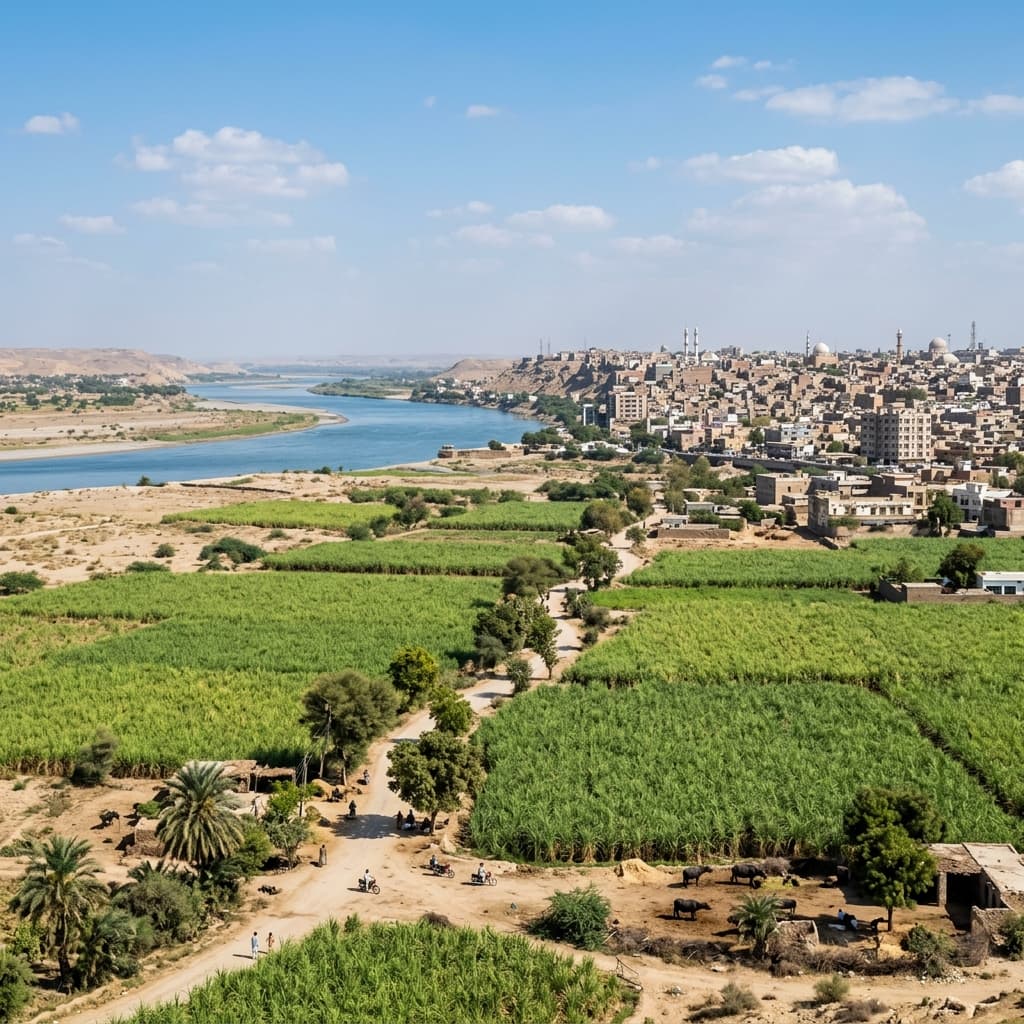
The SEPCO territory sits along the Indus around the Sukkur Barrage, one of the largest irrigation systems in the world, and canal agriculture shapes almost everything about this network. Khairpur is known nationally for dates, Larkana and Shikarpur for rice, and the wider belt for sugar cane and cotton. Rice husking and sugar processing provide the industrial load, both strongly seasonal. Kashmore hosts major thermal generation at Guddu, though generation and distribution are separate businesses and that plant does not change how a local bill is calculated. Domestic consumers are spread across growing towns and a large number of small rural settlements connected by long feeders.

🌡️

Cooling as a matter of survival, not comfort

Typical SEPCO demand through the yearRelative load by month for this territory, based on its climate and the way the local economy uses electricity. This is a general pattern, not metered consumption data, and your own bill depends on your usage.
  • Low
  • Moderate
  • High
  • Peak
Jan: Low demandJanFeb: Moderate demandFebMar: Moderate demandMarApr: High demandAprMay: Peak demandMayJun: Peak demandJunJul: Peak demandJulAug: Peak demandAugSep: High demandSepOct: Moderate demandOctNov: Low demandNovDec: Low demandDec

Jacobabad and the surrounding districts record some of the most extreme heat anywhere, so May to August cooling is a necessity rather than a comfort.

Northern Sindh records some of the most extreme summer heat anywhere in the world. Jacobabad in particular regularly appears in global reporting on dangerous temperatures. Cooling is a matter of safety rather than comfort here, and domestic consumption between May and August reflects that, with fans, coolers and air conditioning running for long stretches of the day and night. Households that sit in a modest slab band through the winter can move sharply higher for those months. Rice husking demand then concentrates after the autumn harvest, and date processing around Khairpur adds its own seasonal draw.

🗺️

Long feeders across northern Sindh

SEPCO operates around Sukkur and Larkana as its principal centres, with divisions covering Shikarpur, Jacobabad, Kashmore, Khairpur and Ghotki. The company has struggled with high distribution losses and recovery, and load management is a regular feature of consumer life in much of the territory. Long rural feeders and extreme summer heat combine to stress equipment, so faults and transformer failures cluster in the hottest months, which is also when consumers most need supply.

Head office: Sukkur. Areas billed: Sukkur, Larkana, Shikarpur, Jacobabad, Kashmore, Khairpur and Ghotki across northern Sindh.

📌

What Sukkur, Larkana and Jacobabad consumers see on their SEPCO bill

  • In the hottest districts, summer cooling is a health necessity and slab movement between May and August is close to unavoidable. Plan for a materially higher bill in those months.
  • Rice husking and date processing connections are seasonal. Compare them against the same season last year rather than the previous month.
  • Transformer and feeder faults peak in extreme heat. If supply was interrupted for a long stretch, check whether the reading on your bill is estimated.
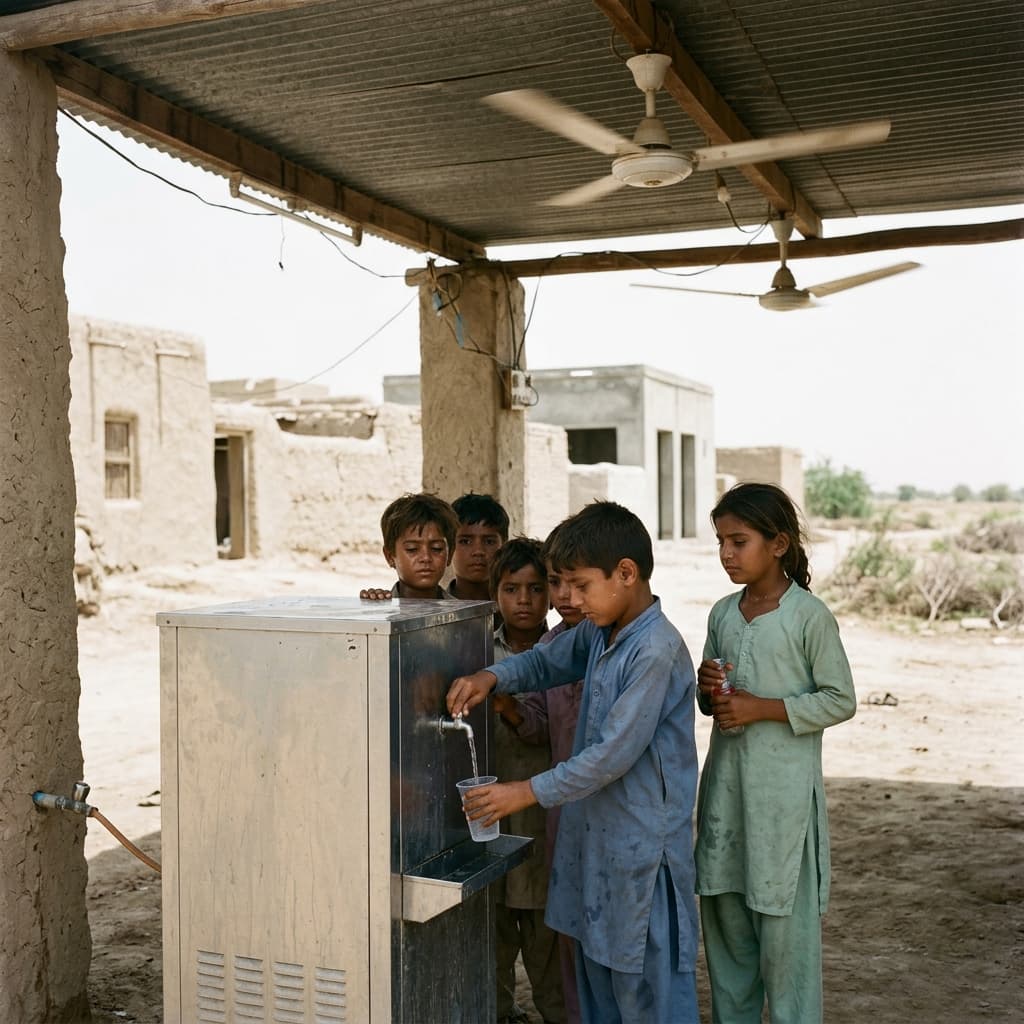
Jacobabad Pakistan street scene during extreme summer heat driving high SEPCO electricity bills
☀️

SEPCO Jacobabad electricity bills — the hottest city in the world and what that costs

Jacobabad in the SEPCO territory holds the record for the highest recorded temperature in Asia. Cooling from May through August is not discretionary — it is a safety requirement. Fans and water coolers run through the night as well as the day, and units consumed in these months bear no resemblance to a household's baseline. A domestic consumer who uses 80 units in January can use 500 or 600 in June without turning on a single new appliance. Planning for this as a fixed seasonal cost rather than an anomaly is the only realistic approach for Jacobabad consumers.

  • Jacobabad temperatures regularly exceed 50 degrees Celsius in June and July
  • Night-time cooling demand in Jacobabad runs almost as high as daytime due to heat retention
  • Comparing June to January bills is meaningless — compare June to the previous June instead
Indus river at Sukkur Barrage in SEPCO territory serving rice and date processing operations
🌾

SEPCO rice husking season billing in Larkana and Khairpur

Rice husking mills concentrated around Larkana and Shikarpur and date processing operations around Khairpur bill through SEPCO on commercial or industrial tariff and run on a seasonal cycle tied to the harvest. Husking mills start after the autumn paddy harvest, typically October to December, and then fall quiet. Date processing in Khairpur concentrates in summer when the harvest arrives. Both show large consumption spikes that are entirely normal for the business type and calendar, not the sort of thing to raise as a billing dispute.

  • Rice husking mills run October through December — bills in those months reflect the season, not a fault
  • Date processing connections around Khairpur peak in summer, the opposite of domestic patterns
  • Agro-processing connections use commercial tariff, not domestic slab rates
📚

SEPCO billing — extreme summer heat and the rice and date processing cycle

Northern Sindh consumers face the steepest unavoidable slab movement of any territory in the country during peak summer. The rice husking season around Larkana and date processing around Khairpur then add a completely separate industrial demand cycle in autumn. The guides below explain how slab rates are calculated and how to pay online.

Full explanations for each charge type: reading your bill line by line, what FPA is and why it changes every month, current tariff and slab rates, paying by JazzCash, Easypaisa or bank app, and raising a SEPCO complaint.

SEPCO Help

SEPCO bill check — questions from northern Sindh consumers

Which districts does SEPCO bill?

SEPCO covers Sukkur, Larkana, Shikarpur, Jacobabad, Kashmore, Khairpur and Ghotki in northern Sindh. Hyderabad and Mirpurkhas connections bill through HESCO instead.

Does the Guddu power station affect my SEPCO bill?

No. Generation and distribution are separate parts of the sector. Having a power station in the district does not change the tariff, the slab structure or the fuel price adjustment applied to your bill.

Where do I find my SEPCO reference number?

Your SEPCO reference number is printed near the top of every monthly electricity bill, usually on the right side labelled "Reference No" or "Ref No". The number is between 10 and 14 digits and belongs to the meter, not to the billing month, so any older bill from the same connection carries the same reference number you need today.

Can I check my SEPCO bill using my CNIC?

No. The PITC billing system that Sukkur Electric Power Company uses returns bills by reference number only. CNIC is not accepted as a lookup key. If you have lost your printed bill, your SEPCO subdivision office can confirm the reference number registered against your meter address.

Is the SEPCO duplicate bill shown here the same as the original?

Yes. Entering your reference number sends a query to the same PITC system that Sukkur Electric Power Company issues bills through. The duplicate returned shows exactly the same line items, meter reading, units consumed, FPA, taxes and due date as the paper bill, with nothing recalculated or modified. It is accepted for bank submissions, address verification and payment purposes.

What happens if I pay my SEPCO bill after the due date?

A late payment surcharge applies to SEPCO bills paid after the printed due date. The surcharge rate is set by NEPRA and appears as a separate line on the following month's bill, along with the outstanding amount carried forward as arrears. Paying through JazzCash, Easypaisa, bank app, ATM, or bank counter before midnight on the due date avoids the surcharge.

Check another company's electricity bill

Jump to any other DISCO or return to the home bill checker.