Pakistan's Independent Utility Portal
MEPCO logo

Official PITC Portal

Multan Electric Power Company

Enter your 10–14 digit reference number to instantly view, download, or print your duplicate MEPCO electricity bill. No login required.

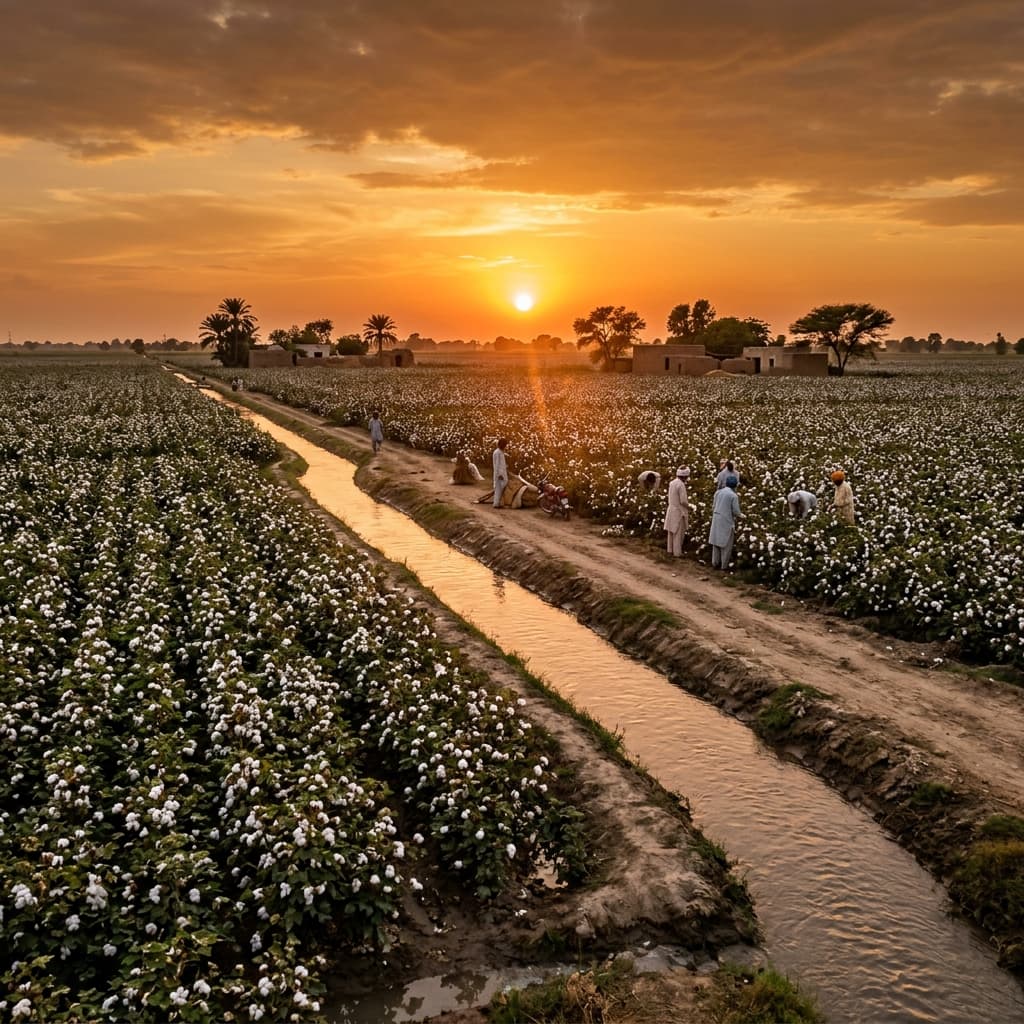
Cotton fields and irrigation canals in southern Punjab — MEPCO's vast service territory
🏢

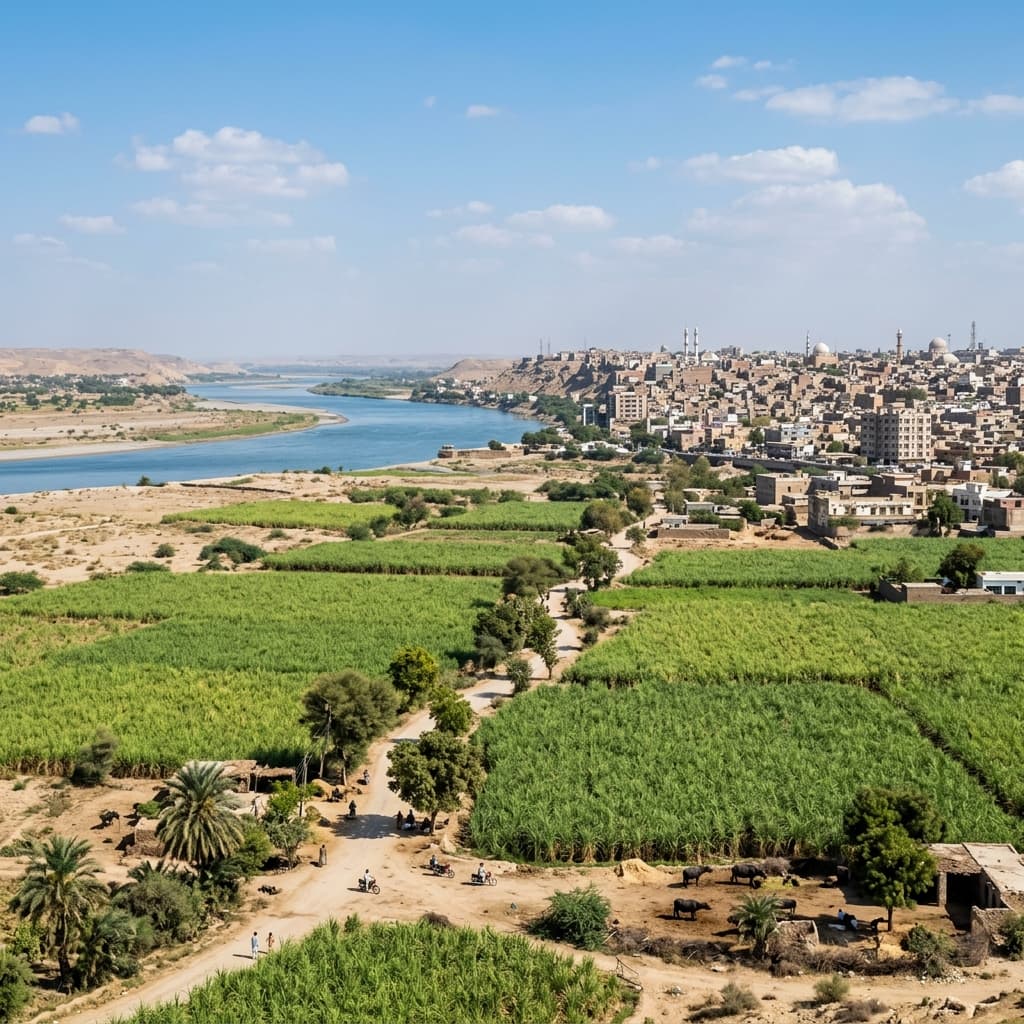
MEPCO electricity across southern Punjab — cotton, sugar mills and extreme summer heat

MEPCO serves Multan, Bahawalpur, Dera Ghazi Khan, Rahim Yar Khan, Muzaffargarh, Layyah, Khanewal, Vehari, Lodhran, and Bahawalnagar across southern Punjab.

MEPCO covers more consumers across a larger area than any other distribution company in Pakistan, and the southern Punjab summer is the main reason bills here bite so hard. Rahim Yar Khan, Dera Ghazi Khan, and Bahawalpur rank among the hottest districts in the country from May through August, and households that sit in a modest slab band through winter routinely move several tiers higher during those months without any change in appliance use. Cotton ginning and sugar milling add large seasonal industrial loads that run in the opposite direction: gins and mills draw heavily through the October-to-February crushing and picking season, then go quiet. The practical result is that MEPCO carries near-peak demand across a much longer stretch of the year than a northern Punjab network. Agricultural tube-well connections spread across the territory add another layer that follows canal water availability rather than temperature.

MEPCO covers more consumers across more districts than any other distribution company in Pakistan, and southern Punjab summers are the main reason bills here draw attention. Rahim Yar Khan, Dera Ghazi Khan and Bahawalpur regularly rank among the hottest districts nationally, and a household that sits in a comfortable slab band through November can cross two or three tiers higher by June without changing a single appliance. Enter your MEPCO reference number to see exactly which slab your current bill falls in before paying.

🏭

Cotton, sugar and extreme heat across the MEPCO belt

MEPCO covers the largest territory and the largest consumer base of any distribution company in Pakistan, and agriculture sits at the centre of it. Cotton is the defining crop across Vehari, Khanewal, Lodhran and Bahawalnagar, feeding a dense network of ginning factories that run hard through the picking season and then fall quiet. Sugar mills operate on a similar crushing cycle. Multan and Rahim Yar Khan add mango and citrus orchards, and Dera Ghazi Khan and Muzaffargarh bring canal irrigation on a large scale. Layered over all of this are tens of thousands of agricultural tube-well connections. A MEPCO online bill check covers more consumers spread over more ground than any other network in the country.

🌡️

The longest expensive season of any DISCO

Typical MEPCO demand through the yearRelative load by month for this territory, based on its climate and the way the local economy uses electricity. This is a general pattern, not metered consumption data, and your own bill depends on your usage.
  • Low
  • Moderate
  • High
  • Peak
Jan: Moderate demandJanFeb: Low demandFebMar: Moderate demandMarApr: High demandAprMay: Peak demandMayJun: Peak demandJunJul: Peak demandJulAug: Peak demandAugSep: High demandSepOct: High demandOctNov: High demandNovDec: Moderate demandDec

One of the longest expensive stretches in the country. Extreme heat holds demand near peak from May through August, then ginning and crushing keep autumn elevated.

Southern Punjab gets brutally hot. Rahim Yar Khan, Dera Ghazi Khan and Bahawalpur routinely sit among the highest summer temperatures recorded anywhere in Pakistan, and domestic cooling demand from May through August reflects that. Households that stay in a low slab band through winter can move several tiers higher by June. On the agricultural side, tube-well pumping peaks before the monsoon when canal water is short. Ginning and sugar connections then spike in the autumn and early winter crushing season, which is the opposite of the domestic pattern. Because these cycles do not overlap, MEPCO carries high demand across a longer stretch of the year than most networks.

🗺️

Navigating the largest distribution network in Pakistan

The territory is split into circles built around Multan, Bahawalpur, Dera Ghazi Khan, Rahim Yar Khan, Sahiwal and Muzaffargarh, each subdividing further into divisions and subdivisions printed on your bill. Feeder runs in the rural parts of this network are long, which makes voltage drop and weather-related faults a more regular experience than in compact urban systems. MEPCO also handles new connection applications through its own portal and customer facilitation centres rather than the shared ENC route used by several other companies, which is worth knowing before you start an application.

Head office: Multan. Areas billed: Multan, Bahawalpur, Dera Ghazi Khan, Rahim Yar Khan, Muzaffargarh, Khanewal, Vehari, Lodhran, Sahiwal and Bahawalnagar across southern Punjab.

📌

What Multan, Bahawalpur and Rahim Yar Khan consumers see on their MEPCO bill

  • MEPCO handles new connection applications through its own channels rather than the common ENC portal. Application tracking works, but the initial application starts elsewhere.
  • Cotton ginning and sugar mill connections are seasonal by nature. Months of near-zero consumption followed by a very large bill usually reflect the crushing cycle, not a metering error.
  • In the hottest districts, crossing from one slab band into the next during June and July is common. Compare units consumed against the same month last year rather than against May.
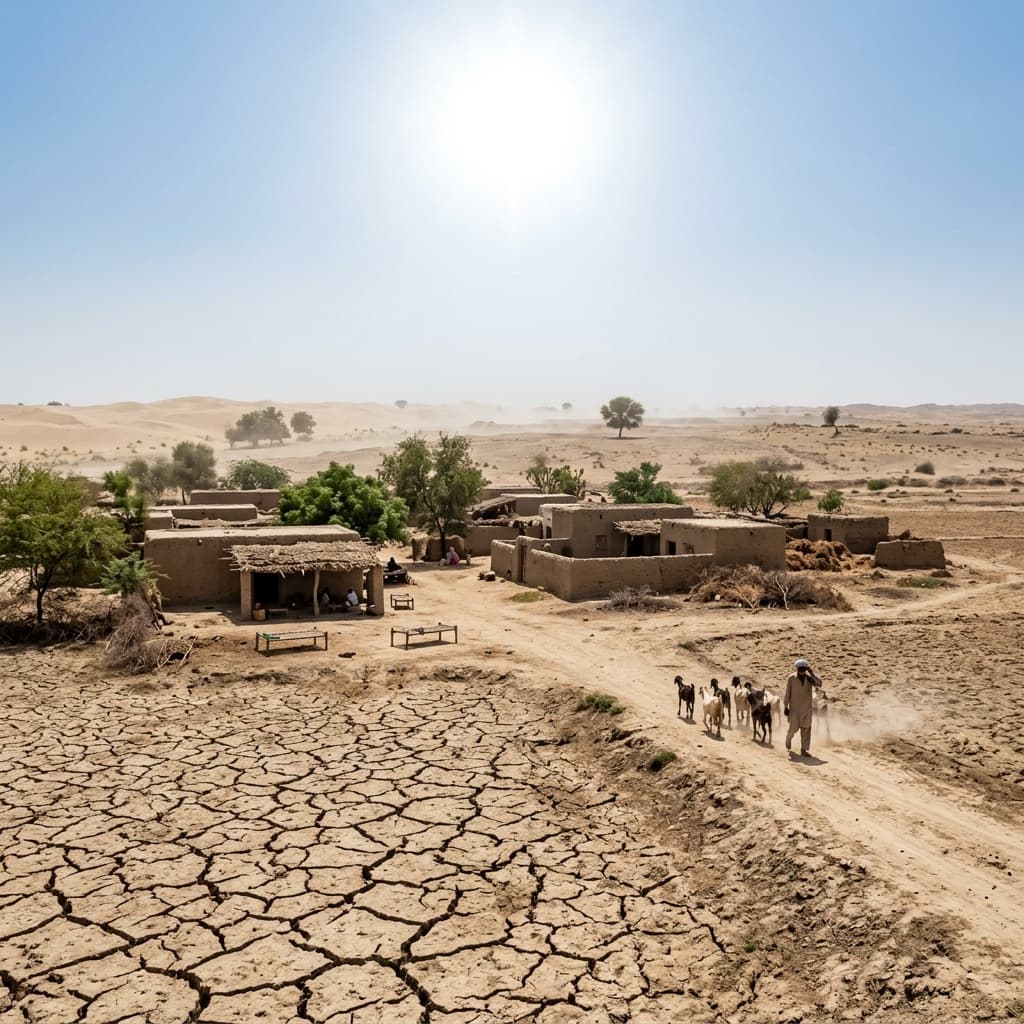
Extreme summer heat in Rahim Yar Khan district driving high MEPCO electricity bills
🌡️

MEPCO bill spikes in Rahim Yar Khan and DG Khan — the hottest districts in Pakistan

Rahim Yar Khan, Dera Ghazi Khan and Muzaffargarh regularly record summer temperatures above 50 degrees Celsius, placing them among the hottest inhabited areas in the world. Domestic consumers in these districts run fans and air conditioning from late April through September, not May through August like the national average. A household that sits at 200 units per month in winter can reach 600 or 700 units in June without adding a single appliance — the existing load simply runs for far more hours.

  • Compare your June or July units against the same month last year, not against May
  • Slab movement from 200 to 600 units crosses multiple rate bands, multiplying the per-unit cost
  • Installing a room air cooler instead of AC can keep a household in a lower slab band through peak months
Cotton fields in Khanewal ready for harvest, powering MEPCO's ginning factory load
🌾

MEPCO cotton ginning and sugar crushing seasonal billing in Vehari and Khanewal

Cotton ginning factories across Vehari, Khanewal and Lodhran and sugar mills throughout the belt operate on a crushing season that runs from October into January. During those months a ginning connection can record consumption ten times higher than its quiet-season baseline. These connections bill on industrial or commercial tariff and the season-end drop is not a meter failure. MEPCO consumers operating seasonal agro-processing units should keep the previous season's bills to compare units consumed rather than rupee totals, which shift with FPA.

  • Ginning and crushing connections bill on a different tariff category from domestic meters
  • FPA applies to industrial connections and changes every month — the rupee total shifts even if units are stable
  • End-of-season disconnection requests must go through the relevant MEPCO subdivision office
📚

MEPCO billing — the longest summer peak in any distribution territory

Southern Punjab consumers see elevated bills from May through August and a second lift in the cotton ginning and sugar crushing season from October into January. Both peaks are normal for this territory, not meter errors. The guides below explain the slab structure that makes the summer jump steeper than the unit count alone suggests.

Full explanations for each charge type: reading your bill line by line, what FPA is and why it changes every month, current tariff and slab rates, paying by JazzCash, Easypaisa or bank app, and raising a MEPCO complaint.

MEPCO Help

MEPCO bill check — questions from Multan and southern Punjab consumers

How do I apply for a new MEPCO connection?

MEPCO does not take new connection applications through the shared ENC portal used by several other companies. Applications go through MEPCO's own channels or a customer facilitation centre, though you can still track an existing application online.

Which districts are covered by MEPCO bill check?

MEPCO covers most of southern Punjab, including Multan, Bahawalpur, Dera Ghazi Khan, Rahim Yar Khan, Muzaffargarh, Khanewal, Vehari, Lodhran, Sahiwal and Bahawalnagar. It is the largest distribution territory in the country by area and consumer count.

Where do I find my MEPCO reference number?

Your MEPCO reference number is printed near the top of every monthly electricity bill, usually on the right side labelled "Reference No" or "Ref No". The number is between 10 and 14 digits and belongs to the meter, not to the billing month, so any older bill from the same connection carries the same reference number you need today.

Can I check my MEPCO bill using my CNIC?

No. The PITC billing system that Multan Electric Power Company uses returns bills by reference number only. CNIC is not accepted as a lookup key. If you have lost your printed bill, your MEPCO subdivision office can confirm the reference number registered against your meter address.

Is the MEPCO duplicate bill shown here the same as the original?

Yes. Entering your reference number sends a query to the same PITC system that Multan Electric Power Company issues bills through. The duplicate returned shows exactly the same line items, meter reading, units consumed, FPA, taxes and due date as the paper bill, with nothing recalculated or modified. It is accepted for bank submissions, address verification and payment purposes.

What happens if I pay my MEPCO bill after the due date?

A late payment surcharge applies to MEPCO bills paid after the printed due date. The surcharge rate is set by NEPRA and appears as a separate line on the following month's bill, along with the outstanding amount carried forward as arrears. Paying through JazzCash, Easypaisa, bank app, ATM, or bank counter before midnight on the due date avoids the surcharge.

Check another company's electricity bill

Jump to any other DISCO or return to the home bill checker.